İçindekiler
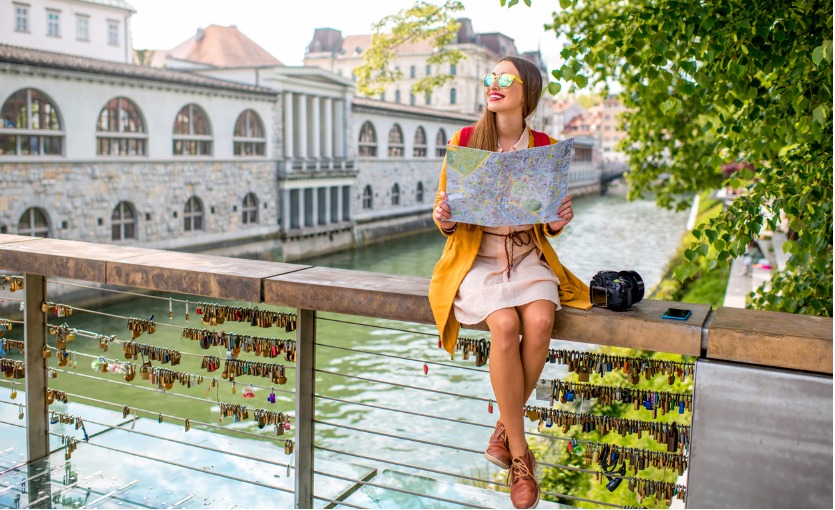
Before you even land, the mood begins to shift. You scroll through cheap flights to Ljubljana, compare airline flights tickets, and check out the Pegasus route map to see how easily you can connect from across Europe or even after a cheap flight to Istanbul.
Either way, you pack light after reviewing the baggage allowance page, skim through The Smart Traveler’s Toolkit: Booking, Baggage & Beyond, and, if you are flying with Pegasus, remember to explore Pegasus Café’s Pre-order menu. Don’t forget you can order your meal up to 24 hours before the flight. A small decision, but one that makes boarding smoother.
Ljubljana waits quietly at the heart of Europe. Green, compact, walkable. A capital that feels like a village, yet layered with Roman ruins, Habsburg grandeur, and bold modern design.
Day 1: Bridges, Baroque Facades, and Castle Views
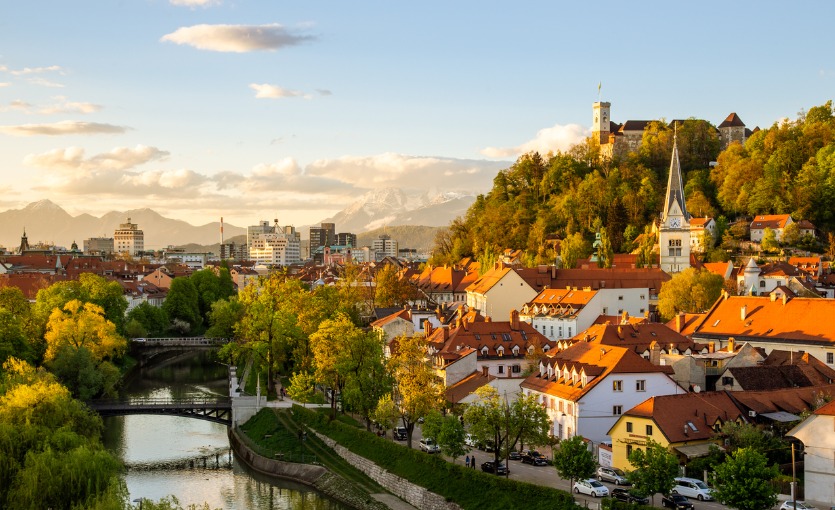
You start in the Old Town, where pastel buildings line the Ljubljanica River and bicycles outnumber cars. The city was once Roman Emona, later a Habsburg provincial hub, and you feel those layers in every square.
Breakfast comes riverside along Cankarjevo nabrežje. You order burek or a slice of walnut potica with strong coffee. The air smells faintly of fresh bread and river mist.
From there, you cross the Triple Bridge, Jože Plečnik’s 1930s architectural flourish that transformed one bridge into three elegant spans. His influence is everywhere, from the market colonnades to the stone balustrades along the river.
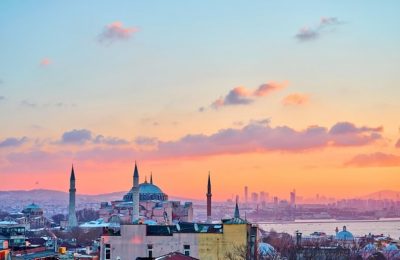
You pause in Prešeren Square beneath the pink Franciscan Church, then slip into St. Nicholas Cathedral. Inside, gilded Baroque details glow softly. If you have wandered through domed silhouettes in Top Historical & Beautiful Churches in Istanbul, you notice how different the mood feels here. Smaller, more intimate, Alpine rather than imperial.
Lunch calls for something hearty. Try a bowl of jota, a sauerkraut and bean stew with smoked meat, or štruklji, delicate rolled dumplings filled with cottage cheese or herbs. At a traditional gostilna in the Old Town, you taste the Alpine and Balkan influences that define Slovenian cuisine.
In the afternoon, ride the funicular up to Ljubljana Castle. The hill has been fortified since at least the 11th century, though the current structure reflects later medieval and Renaissance layers. Walk the ramparts for sweeping views over red tiled roofs to the Julian Alps on clear days. Visit the small museum exhibitions inside, which trace Ljubljana’s Roman origins as Emona through centuries of trade and empire.
As evening falls, descend on foot through the forested path back into town. For dinner, choose a contemporary restaurant that highlights local produce and Slovenian wines. Order trout from nearby rivers or venison with forest mushrooms. Ljubljana’s dining scene is small but ambitious, deeply tied to its landscape.
End your night with a glass of orange wine or a local craft beer by the river. The castle glows above you. Street musicians play. The city feels both intimate and alive.
Day 1 TL;DR
- Go: Triple Bridge, Prešeren Square, St. Nicholas Cathedral, Ljubljana Castle
- Eat: Burek or potica for breakfast, jota or štruklji for lunch, trout and Slovenian wine for dinner
Day 2: Markets, Museums, and Metelkova After Dark
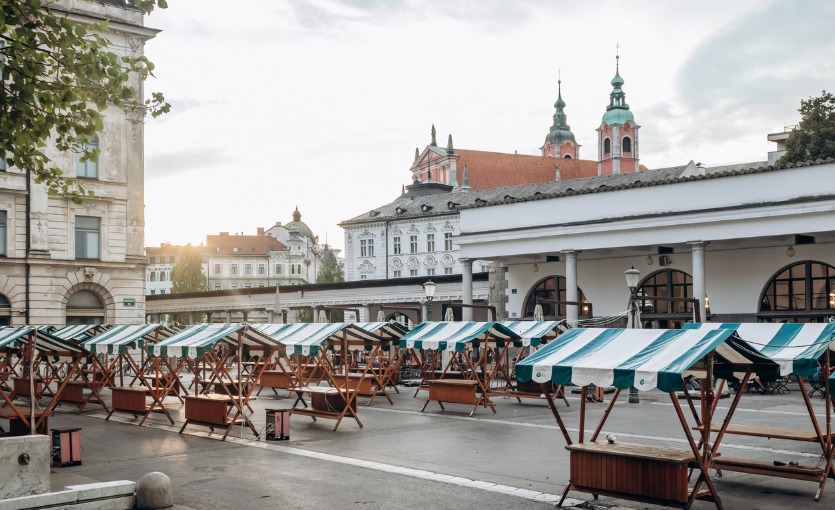
Start early at the Central Market, another Plečnik masterpiece stretching along the river. Farmers from across Slovenia arrive with baskets of mountain cheeses, honey, wild mushrooms, and seasonal fruit. Even in winter, the stalls feel abundant. Pick up fresh bread and local yogurt for a light breakfast or sample slices of kranjska klobasa, the famous Carniolan sausage.
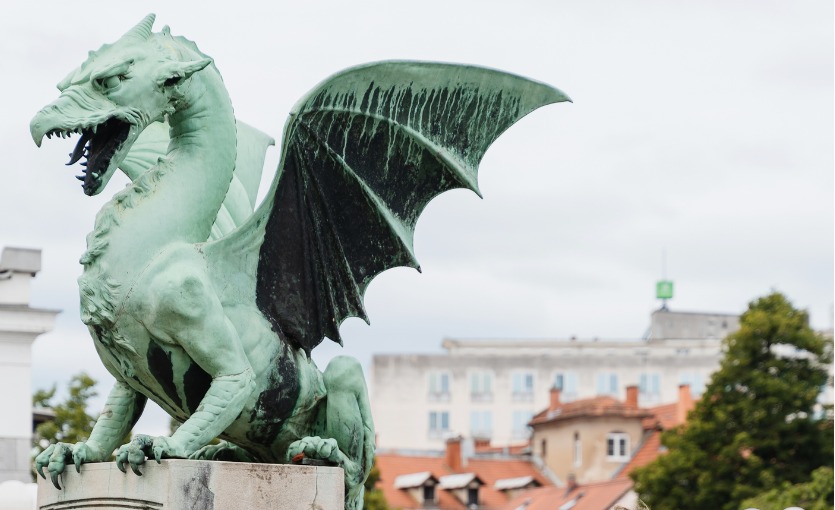
Walk toward the Dragon Bridge, guarded by four fierce green dragons. The dragon is Ljubljana’s emblem, linked to the legend of Jason and the Argonauts who supposedly passed through these lands. Built in 1901, the bridge is one of Europe’s early reinforced concrete structures and a proud Art Nouveau statement.
From there, visit the National Gallery or the Museum of Modern Art, depending on your mood. The former traces Slovenian art from medieval religious icons to 20th century painting. The latter explores how this small country navigated modernity between empires and ideologies.
For lunch, sit down at a bistro serving modern Slovenian dishes. Try buckwheat pasta with seasonal vegetables or grilled Adriatic seafood paired with crisp white wine from the Vipava Valley.
In the afternoon, wander to Tivoli Park. This vast green space stretches into wooded hills and is the city’s outdoor living room. Joggers loop past flower beds. Families stroll under chestnut trees. Visit Tivoli Castle at the center, once a noble residence, now hosting exhibitions. The long Jakopič Promenade often features open air photography shows.
As dusk approaches, cross into Metelkova. Once a military barracks, it was occupied by artists in the 1990s and transformed into an autonomous cultural zone. Graffiti murals, sculptural installations, and alternative bars fill the courtyards. It is gritty and creative, a sharp contrast to the polished Old Town. Have dinner nearby in a casual spot serving Balkan grills or vegetarian plates before stepping into a live music venue.
Ljubljana is small enough that contrasts sit side by side. Medieval towers, socialist blocks, avant-garde art, and polished cafés all coexist within a short walk.
Day 2 TL;DR
- Go: Central Market, Dragon Bridge, National Gallery, Tivoli Park, Metelkova
- Eat: Market cheeses and honey, buckwheat pasta, Balkan grill plates
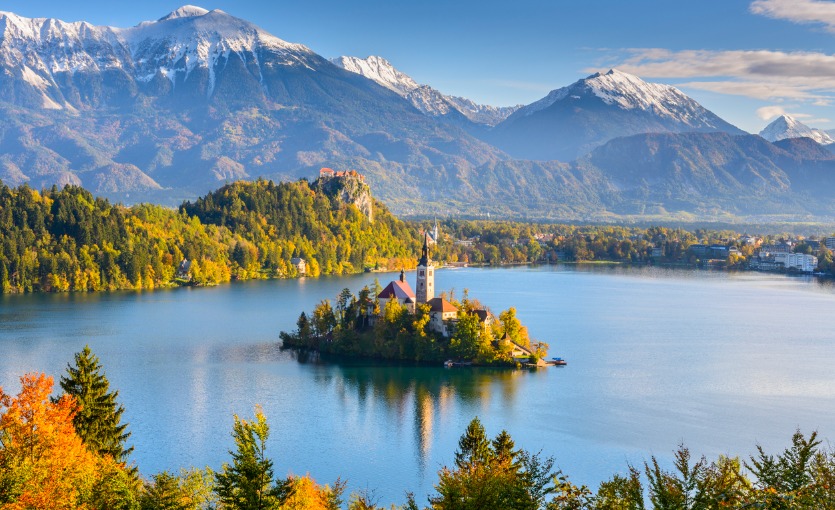
Day 3: Lake Bled and the Alpine Edge
On your third day, step beyond the city. Rent a car or take a bus to Lake Bled, about 45 minutes northwest. The road passes through gentle countryside and forested hills.
Lake Bled looks almost unreal. A glacial lake ringed by mountains, with a tiny island crowned by a church at its center and a medieval castle perched dramatically on a cliff. Row out in a traditional wooden pletna boat to Bled Island. Climb the 99 stone steps to the Church of the Assumption and ring the wishing bell. Pilgrims have climbed these steps for centuries, seeking blessings.
Afterward, visit Bled Castle, first mentioned in 1011. Its terraces offer panoramic views over emerald water. Inside, small exhibits explain the region’s history from early Slavic settlers to modern Slovenia.
Lunch is simple and essential: a slice of Bled cream cake, kremšnita, with its layers of custard and whipped cream. Pair it with coffee and watch the light shift on the lake.
Return to Ljubljana in the late afternoon. Spend your final evening slowly. Perhaps revisit your favorite bridge or climb back to the castle for sunset if the sky is clear.
For your last dinner, choose a restaurant focusing on farm to table cuisine. Order a tasting menu if available. Expect ingredients sourced from within the country’s short supply chains: forest herbs, alpine cheeses, river fish, and wines from rolling hills. Slovenian food is not loud. It is thoughtful, seasonal, and quietly confident.
Day 3 TL;DR
- Go: Lake Bled, Bled Island, Bled Castle
- Eat: Kremšnita cream cake, alpine trout, seasonal tasting menu in Ljubljana
A City That Breathes
Ljubljana does not overwhelm you with monumental scale. It wins you over through detail. A carved doorway. A perfectly pulled espresso. A castle lit against the night sky. The rhythm of bicycles on cobblestones.
In three days, you move through centuries of history and landscapes that feel close enough to touch. You taste Alpine air and Adriatic influence on the same plate. You understand why Slovenia calls itself green, and why Ljubljana, small as it is, feels like the heart of something much larger.