İçindekiler
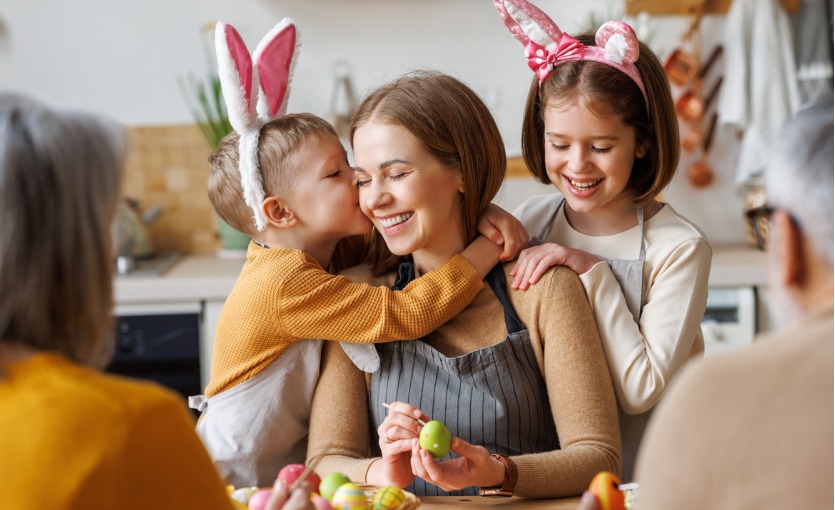
Spring arrives gently across Southern Europe. Orange trees begin to bloom, café terraces fill again with conversation, and sunlight warms the stone streets of cities that have been celebrating the same rituals for centuries. But during Easter, these cities change completely. Church bells ring longer, bakeries prepare special holiday pastries, and streets fill with processions, candles, and families gathering for meals that last long into the afternoon.
It is one of the most atmospheric times of year to travel. Many visitors begin planning by browsing airline flights tickets, checking how to find cheap flights, or simply opening the Pegasus website to check out the Pegasus route map and see where spring might take them next. A few hours later, you might be stepping into the heart of a centuries-old celebration.
Three cities capture the spirit of Easter particularly well: Rome, Seville, and Athens. Each celebrates the holiday in its own way, shaped by religion, culture, and local food traditions.
And each feels unforgettable in the warm light of spring.
Rome: Easter in the Heart of the Catholic World
You’ve already read about it in 3 Days in Rome: From Ancient Stones to Late-Night Trattorias, but Easter after a cheap flight to Rome feels even more intimate and monumental. The city is always historic, always theatrical, but during Holy Week it becomes the center of the Catholic world.
You notice it immediately when you arrive. Pilgrims fill the streets around the Vatican. Church doors stay open longer. The air feels anticipatory, as if the entire city is preparing for something important.
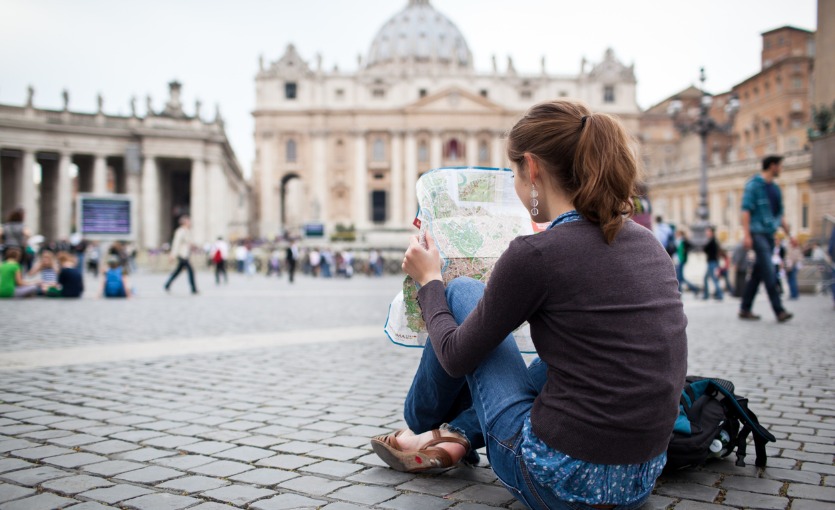
The most powerful moment comes on Easter Sunday morning in St. Peter’s Square. Thousands of people gather beneath the vast façade of St. Peter’s Basilica, waiting for the Papal Easter Mass to begin. Bells ring across the square, choirs echo through the crowd, and the Pope appears on the balcony to deliver the traditional Urbi et Orbi blessing.
But the atmosphere begins days earlier.
On Good Friday, the ancient Colosseum becomes the setting for the Via Crucis, the Way of the Cross procession. As darkness falls, candles illuminate the ruins while the stations of the cross are read aloud. The experience feels solemn and deeply moving, as if Rome’s two thousand years of history are all present in one moment.
Easter Sunday itself feels lighter. Families gather in restaurants and piazzas for long lunches that celebrate both faith and spring.
Typical Roman Easter meals include abbacchio al forno, roast lamb with herbs and potatoes, along with seasonal vegetables like Roman artichokes. Bakeries display Colomba di Pasqua, the traditional dove-shaped Easter cake dusted with almonds and sugar.
After lunch, wander through Trastevere, where ivy-covered buildings and cobblestone streets glow in the soft afternoon sun. The city feels relaxed again, but the memory of the morning’s ceremony still lingers.
But in Rome, Easter carries a special gravity.
Because here, faith and history meet at the very center of the city.
Typical Roman Easter dishes include:
- Abbacchio al forno (roast lamb with herbs)
- Carciofi alla romana (Roman-style artichokes)
- Colomba di Pasqua, the traditional dove-shaped Easter cake
Seville: Processions, Candles, and the Drama of Semana Santa
If Rome’s Easter feels sacred and global, Seville’s Semana Santa feels emotional, theatrical, and deeply personal.
The week before Easter transforms the entire city.
By late afternoon, crowds begin gathering along narrow streets and balconies. The smell of orange blossoms drifts through the air. Then slowly, almost silently, the processions begin.
Massive religious floats known as pasos emerge from church doors, carried on the shoulders of dozens of men hidden beneath the platform. Each float displays elaborate sculptures of Christ or the Virgin Mary surrounded by candles and flowers.
Hundreds of members of religious brotherhoods walk beside them in traditional robes and tall pointed hoods.
The processions move slowly, sometimes taking hours to cross the city.
Bands play solemn music. Church bells echo across the rooftops. Some processions continue through the night.
Even if you are not religious, the atmosphere is unforgettable.
Between the ceremonies, Seville remains joyful. Locals gather in tapas bars and small restaurants to share traditional dishes associated with the season. Plates of bacalao, salted cod prepared in various ways, appear on many tables. Sweet torrijas, similar to French toast soaked in honey or syrup, fill bakery windows.
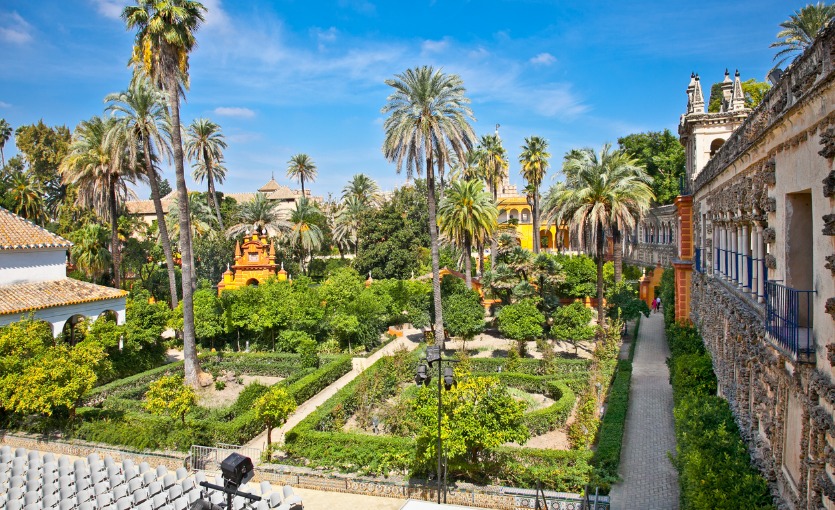
During the day you might explore the Alcázar of Seville, one of Europe’s most beautiful palace complexes, where Moorish courtyards and tiled gardens glow in the spring sun. Nearby stands the enormous Seville Cathedral, whose bell tower, La Giralda, offers sweeping views over the city.
But no matter where you go, the processions eventually return.
Because with just a cheap flight to Seville, Easter is not just a holiday.
It is the heartbeat of the city.
Restaurants in Seville overflow with locals enjoying Easter specialties like:
- Torrijas (a Spanish version of French toast soaked in honey)
- Bacalao dishes prepared for Lent
- fresh seafood and Andalusian tapas
Athens: Fireworks, Candlelight, and the Joy of Greek Easter
In Greece, Easter is the most important holiday of the year.
And with a cheap flight to Athens, the celebration combines deep religious tradition with joyful communal rituals that bring the entire city together.
Holy Week begins quietly. Churches fill each evening with hymns and candlelight services, and bakeries prepare traditional foods for the coming celebration.
But the real moment arrives on Holy Saturday night.
Just before midnight, crowds gather outside churches across the city holding unlit candles. Families stand together, children clutching their candles carefully as they wait.
Then the priest announces “Christos Anesti” — Christ is risen.
A single flame appears near the altar. The flame spreads quickly through the crowd as each person lights their candle from someone else’s. Within minutes the entire square glows with candlelight.
And then the fireworks begin.
Church bells ring. The sky explodes with color. The city erupts in celebration.
Families walk home carefully protecting the flame from their candle, believing it brings blessing to the household.
The following day is dedicated to food.
Greek families gather for long outdoor meals centered around roast lamb cooked slowly on a spit. Bowls of magiritsa soup, eaten after midnight mass, help break the Lenten fast. Sweet braided tsoureki bread appears alongside bright red eggs used in playful cracking games between family members.
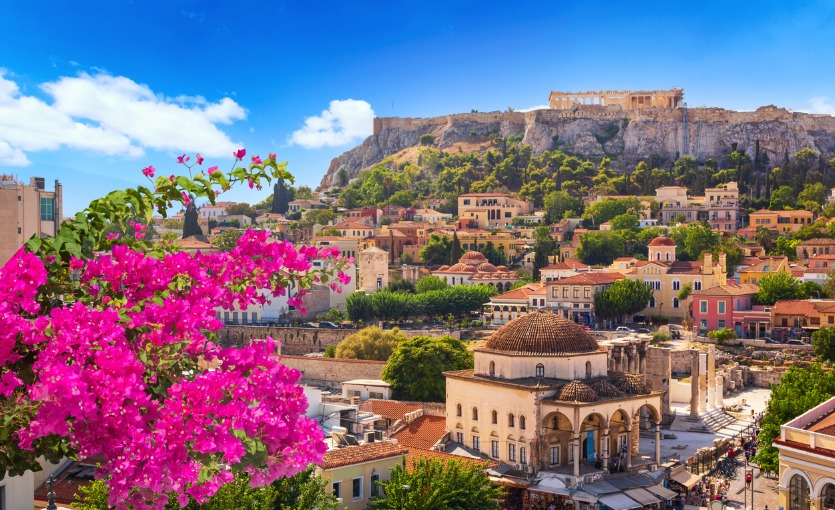
Earlier in the day, visitors can explore the Acropolis and the Parthenon rising above the city, then descend into lively neighborhoods like Plaka and Monastiraki where street musicians and café terraces fill the streets.
Athens in spring feels vibrant and alive.
The combination of ancient ruins, Easter traditions, and warm Mediterranean sunlight creates an atmosphere that is difficult to forget.
And Easter in Athens proves just how different those traditions can be.
Traditional Greek Easter meals include:
- roast lamb on a spit
- magiritsa soup eaten after midnight mass
- tsoureki, a sweet braided Easter bread
- red-dyed eggs used in friendly cracking games
Bonus Stop: Spring Celebrations and Easter Traditions in Türkiye
After experiencing Easter across Southern Europe, many travelers continue their spring journey with a flight to Türkiye.
While Türkiye is a majority Muslim country, Easter has long been celebrated by the country’s historic Christian communities, especially among the Rum (Greek Orthodox) and Armenian populations in cities like Istanbul, Hatay, and along the Aegean coast.
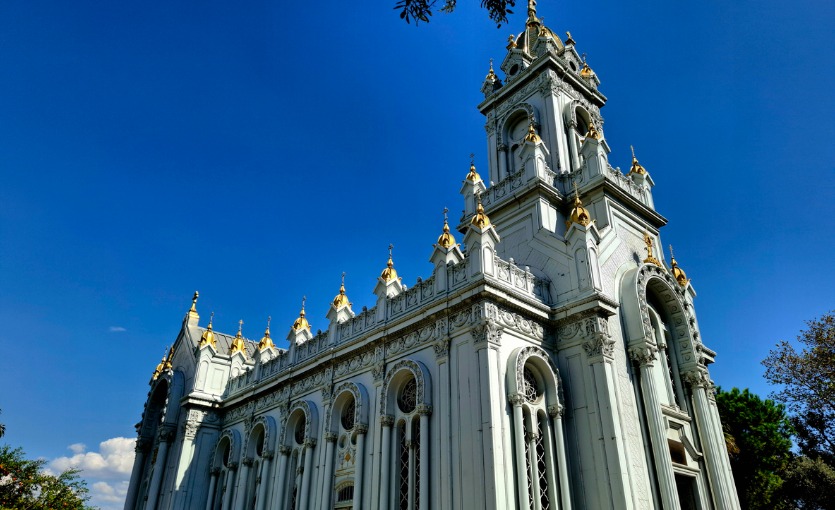
In neighborhoods such as Balat, Fener, and Kuzguncuk in Istanbul, Orthodox churches fill with candlelight during Holy Week. Worshippers gather late on Holy Saturday night, much like in Athens, holding candles that are lit during the midnight proclamation of “Christos Anesti” — Christ is risen. The moment feels intimate and communal, with families embracing and sharing the flame before returning home for the Easter meal.
One of the most recognizable foods of Easter in Türkiye is Paskalya çöreği, a soft braided sweet bread scented with mahlep, a spice made from cherry pits that gives the bread its distinctive aroma. Bakeries across Istanbul prepare it in the days leading up to Easter, and the smell of warm dough and mahlep often drifts into the street from neighborhood pastry shops.
The bread is closely related to the Greek tsoureki, and in fact the two traditions reflect the shared culinary heritage of the region. Both Rum and Greek communities dye eggs red for Easter, symbolizing the blood of Christ and new life. Families often play the traditional egg-tapping game, cracking eggs together at the table to see whose shell survives the longest.
Among the Rum Orthodox community, Easter liturgy follows the Byzantine tradition, with midnight services, candle processions, and festive meals afterward. In contrast, the Armenian Apostolic Church celebrates Easter with slightly different liturgical rituals and hymns, though the sense of celebration and family gathering remains very similar. Armenian Easter tables may include dishes such as pilaf, roasted lamb, and traditional sweets alongside brightly colored eggs.
Food plays an essential role in both communities’ celebrations. Easter Sunday meals often feature lamb, seasonal herbs, cheeses, and fresh breads shared among extended family members.
At the same time, spring itself is widely celebrated across Türkiye regardless of religion. Seasonal festivals like Hıdırellez, marking the arrival of spring, bring music, dancing, and outdoor gatherings to parks and waterfronts.
For travelers arriving with a cheap flight to Istanbul, this season reveals a particularly vibrant side of the country. Outdoor cafés fill with conversation, markets overflow with fresh produce, and long seaside breakfasts highlight the richness of Turkish cuisine.
Because after Easter celebrations in Rome, Seville, and Athens, Türkiye offers something equally special.
A place where ancient traditions, spring festivals, and extraordinary food all meet around the same table.