İçindekiler
- A City That Smells Like the Sea and Garlic
- Vieux-Port and the Fish Market: The Birthplace of Bouillabaisse
- Noailles Market: Spice, Color, and North African Influence
- Le Panier: Old Town Kitchens and Provençal Traditions
- Cours Julien: Creative Cafés and Modern Bites
- L’Estaque: Seaside Simplicity and Painterly Views
- The Calanques: Picnic Markets and Coastal Escapes
- Why Marseille Tastes Different
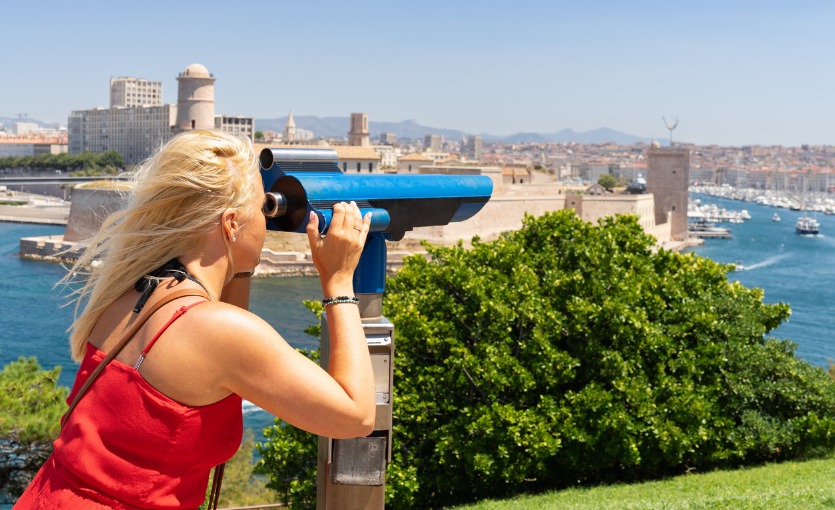
Before you even land, Marseille already feels sunlit in your imagination. You scroll through cheap flights to Marseille, compare airline flights tickets, maybe connect via a cheap flight to Istanbul, and trace routes as you check out the Pegasus route map. The Mediterranean is calling, and this time it speaks French with a salty accent.
A City That Smells Like the Sea and Garlic
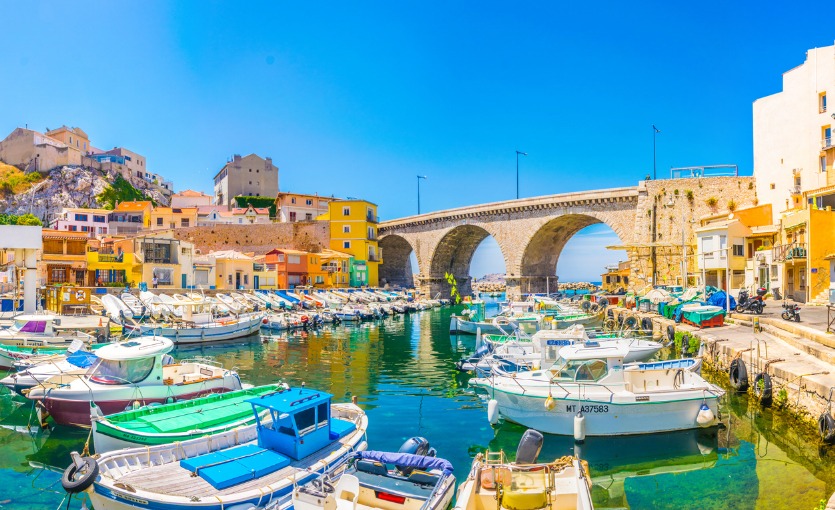
Marseille does not ease you in gently. It hits you with light. The sky feels brighter, almost reflective against pale stone buildings and the deep blue of the port. The air carries layers: salt spray from the harbor, diesel from fishing boats, garlic sizzling in olive oil, anise from pastis poured over ice. You hear seagulls before you see them. You hear the rumble of scooters weaving between café tables.
This is France’s oldest city, founded by Greek sailors more than 2,600 years ago. It has always been a port first and a postcard second. The vibe is less polished Riviera glamour and more lived-in Mediterranean intensity. Laundry hangs from balconies. Fishermen argue over prices. Elderly men play pétanque under plane trees while children chase footballs across open squares.
You feel slightly disoriented in the best possible way. It is Europe, but not tidy. It is France, but fiercely independent. If you have wandered through layered port cities after a flight to Türkiye, perhaps following a Türkiye travel guide through Izmir or exploring coastal flavors near Antalya, you will recognize the rhythm. Port cities share something. They move at their own pace. They feed you well.
Marseille’s flavor profile reflects that history. Olive oil is generous. Garlic is unapologetic. Seafood is central. Spices drift in from North Africa. The result is a kitchen that feels both deeply local and openly Mediterranean. In the same way that Turkish cuisine blends Anatolian, Levantine, and Aegean influences, Marseille folds continents into its stews and street food.
Instead of organizing your visit by monuments alone, you move through the city by appetite.
Vieux-Port and the Fish Market: The Birthplace of Bouillabaisse
You begin where Marseille began, at the Old Port. Every morning, fishermen sell their catch directly from their boats along Quai des Belges. The scene feels ancient. Silver sardines glisten. Sea urchins sit in crates. Red scorpionfish, the backbone of bouillabaisse, lie on crushed ice.
You buy a paper cone of fried small fish, lightly salted, and eat it standing at the harbor’s edge. The air smells of brine and diesel and espresso.
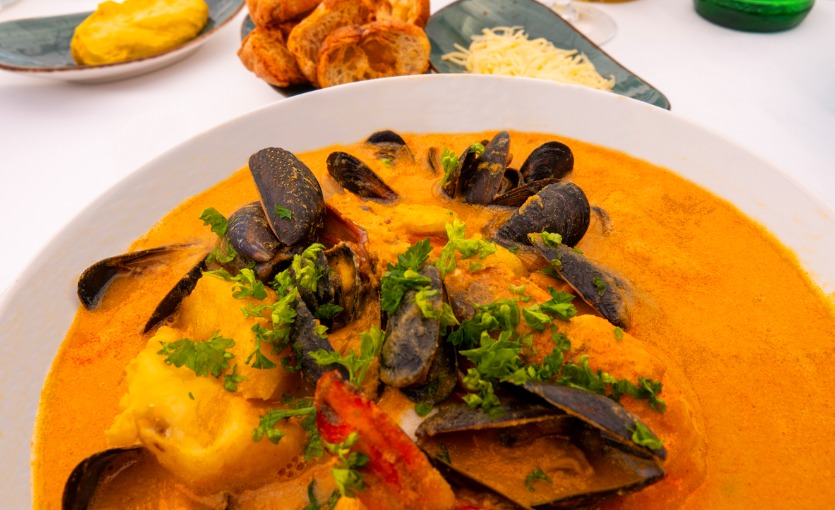
Bouillabaisse itself was once a humble fisherman’s stew, made from unsellable rockfish simmered with saffron, fennel, garlic, and tomato. Today it is Marseille’s culinary symbol, served in two courses: first the broth with rouille and toasted bread, then the whole fish.
For a classic version, book a harbor-facing restaurant and linger over lunch.
Nearby cultural and historic sights:
Walk up to Fort Saint-Jean and Fort Saint-Nicolas, 17th century sentinels guarding the harbor. Cross the footbridge into MuCEM, the Museum of European and Mediterranean Civilisations, where exhibitions explore the shared culinary and cultural threads of the Mediterranean.
Family-friendly moments:
The harbor carousel delights younger travelers. Boat tours leave regularly for short cruises around the port, giving kids a close-up look at working fishing vessels.
Noailles Market: Spice, Color, and North African Influence
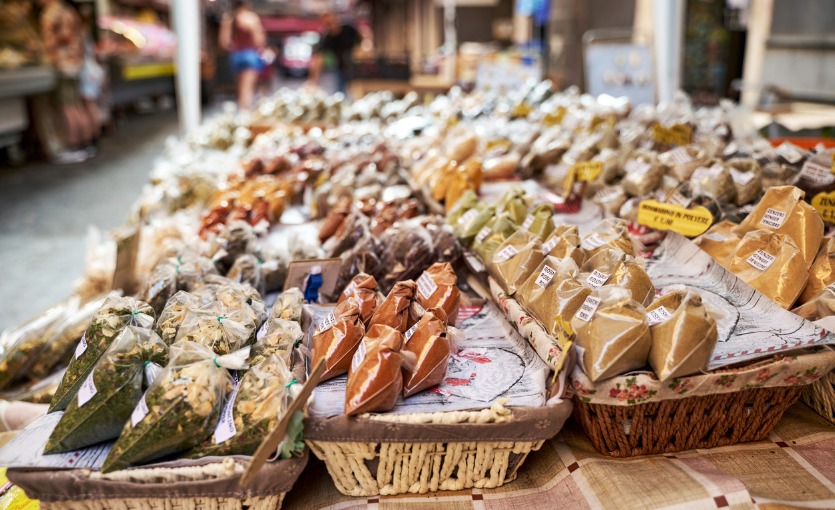
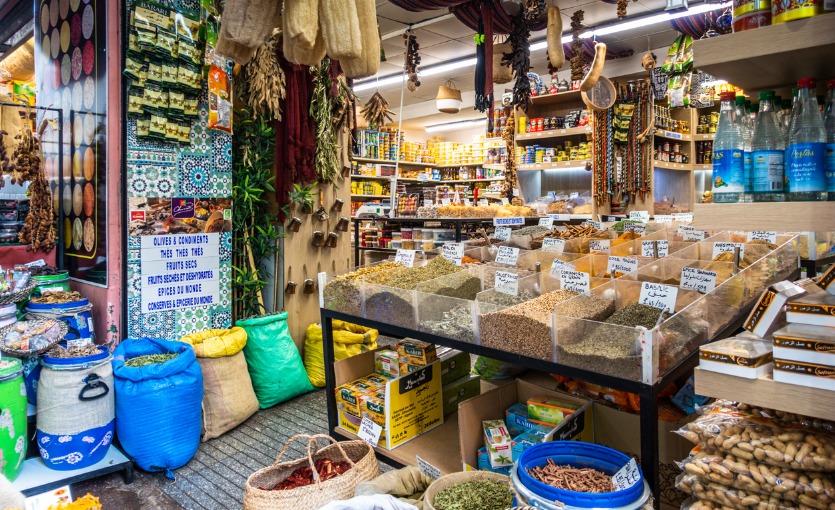
From the harbor, walk inland to Noailles, Marseille’s most vibrant market district. If the Old Port is maritime France, Noailles is North Africa and the Levant layered over Europe.
Spice shops overflow with cumin, ras el hanout, harissa, dried mint. Bakeries display honey-soaked pastries beside baguettes. Produce stands pile high with oranges and figs.
You snack your way through the streets. A warm msemen flatbread filled with cheese. A cup of strong mint tea. Perhaps a slice of almond cake dusted in sugar.
This is where Marseille’s multicultural heart beats strongest. Founded as a port city, it absorbed influences from Algeria, Tunisia, Italy, and beyond. The flavors here echo the richness of Turkish cuisine and might remind you of wandering through stalls described in A Guide To Turkish Bazaars, though the spices lean Maghreb rather than Anatolian.
Nearby cultural and historic sights:
Step into the historic Capucins Market Hall. Wander toward La Canebière, once Marseille’s grand boulevard. Visit the Musée d’Histoire de Marseille to see remnants of the ancient Greek port.
Family-friendly moments:
The colorful stalls themselves are entertainment. Nearby squares offer open space for children to run while adults sip coffee at sidewalk cafés.
Le Panier: Old Town Kitchens and Provençal Traditions
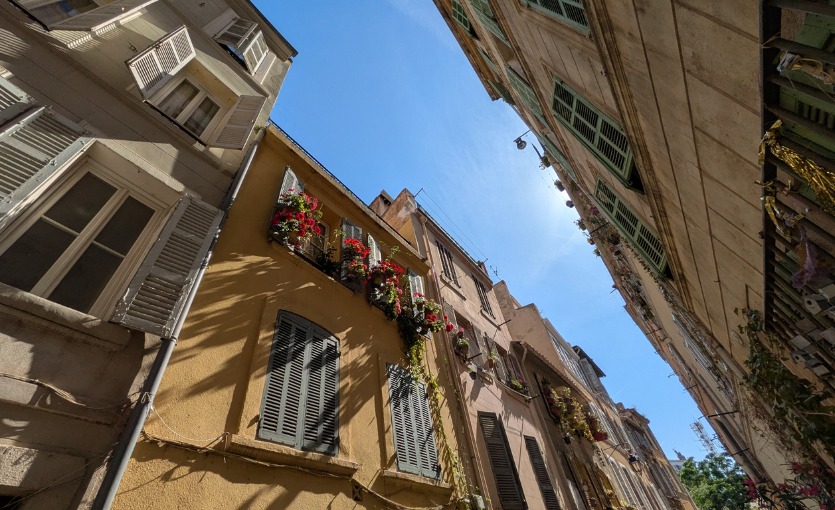
Le Panier is Marseille’s oldest neighborhood, a maze of narrow streets and pastel facades climbing above the harbor. Greek settlers once lived here. So did generations of dockworkers.
In small bistros, you find dishes rooted in Provence: ratatouille, daube slow-cooked beef, tapenade spread over crusty bread. You might try panisse, chickpea fritters fried until golden.
Local shops sell olive oils, herbes de Provence, and handmade soaps. You pick up a small bottle of fruity olive oil to drizzle over everything when you get home.
Nearby cultural and historic sights:
Visit Vieille Charité, a 17th century almshouse turned cultural center. Its courtyard and chapel offer architectural calm. Climb to Cathédrale La Major, with its striped stone façade overlooking the sea.
Family-friendly moments:
Street art workshops and artisan boutiques keep older children engaged. Gelato shops dot the neighborhood.
Cours Julien: Creative Cafés and Modern Bites
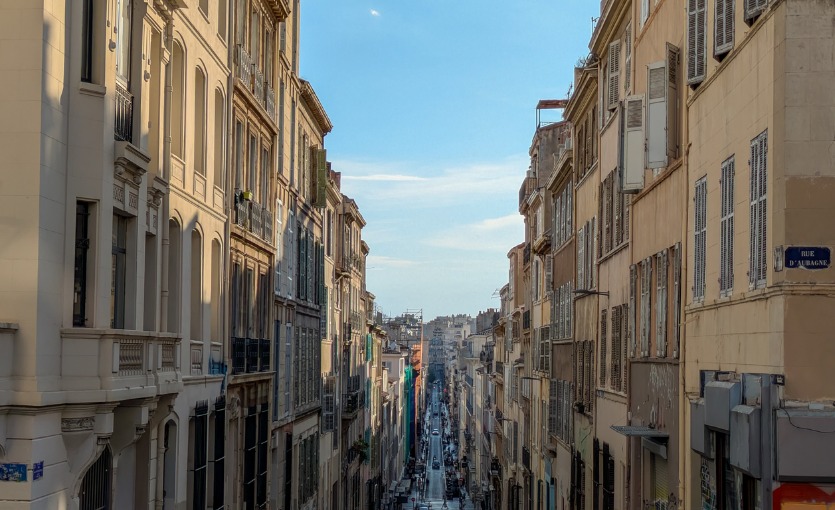
Cours Julien feels like Marseille’s living room for artists. Murals stretch across building walls. Vinyl shops and bookstores spill onto sidewalks.
The food scene here is contemporary and experimental. Vegan cafés serve colorful grain bowls. Small wine bars pair natural wines with inventive small plates. It is a modern twist on Mediterranean flavors.
You might share burrata with heirloom tomatoes, or try octopus grilled until smoky and tender. If you have dined your way through The Ultimate Guide to Michelin-Starred Restaurants, you recognize that Marseille’s casual spots carry similar creativity, just without the formality.
Nearby cultural and historic sights:
Théâtre de la Criée hosts performances nearby. Small galleries exhibit local artists.
Family-friendly moments:
Public squares often host pop-up events, and open pedestrian spaces allow children to move freely.
L’Estaque: Seaside Simplicity and Painterly Views
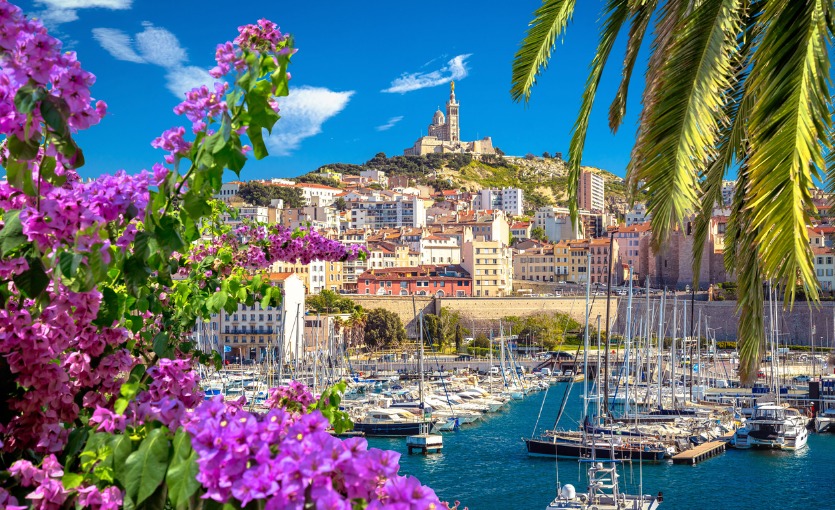
Head north to L’Estaque, once painted by Cézanne and Braque. It feels removed from the city center, with fishing boats bobbing quietly.
This is where you taste chichis frits, long sugar-dusted doughnuts sold from seaside stands. You eat them warm, fingers sticky, watching the sun sink into the Mediterranean.
Seafood here is simple. Grilled sardines. Mussels with garlic. Nothing fussy.
Nearby cultural and historic sights:
Walk coastal paths with panoramic views. Learn about the Cubist painters inspired by these landscapes.
Family-friendly moments:
Rocky beaches and shallow coves offer safe paddling spots.
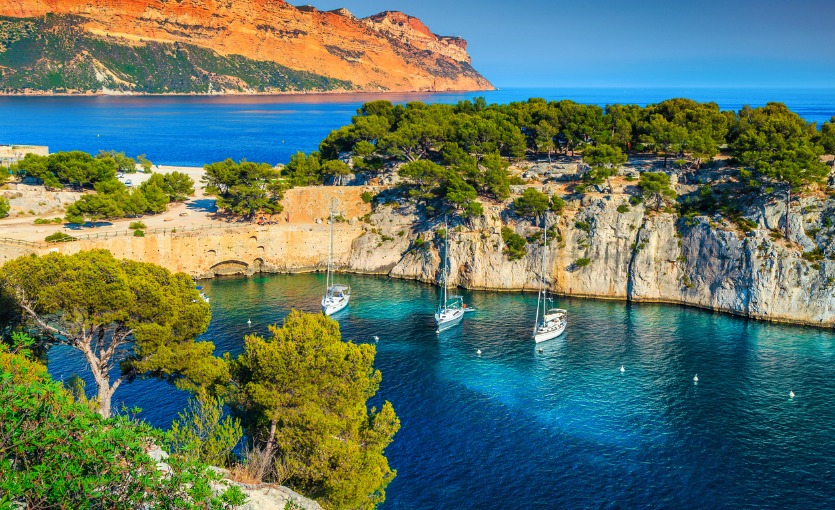
The Calanques: Picnic Markets and Coastal Escapes
No kitchen tour of Marseille is complete without a market-sourced picnic. You gather bread, cheese, olives, and fruit from local stalls, then drive or hike into the Calanques National Park.
These limestone fjord-like inlets plunge into turquoise water. The contrast between white rock and deep blue sea is striking.
Spread your picnic under pine trees. Swim if the weather allows.
Family-friendly moments:
Choose accessible calanques like Sormiou for easier walks. Bring sturdy shoes and water.
Why Marseille Tastes Different
Marseille’s identity is edible. Founded by Greeks, shaped by Rome, enriched by North Africa, defined by the sea, it has always absorbed influences and turned them into something distinctly local.
You come for bouillabaisse, but you leave remembering spice markets, olive oil, chickpea fritters, and seaside doughnuts.
Marseille is not just a destination. It is a table set beside the Mediterranean.