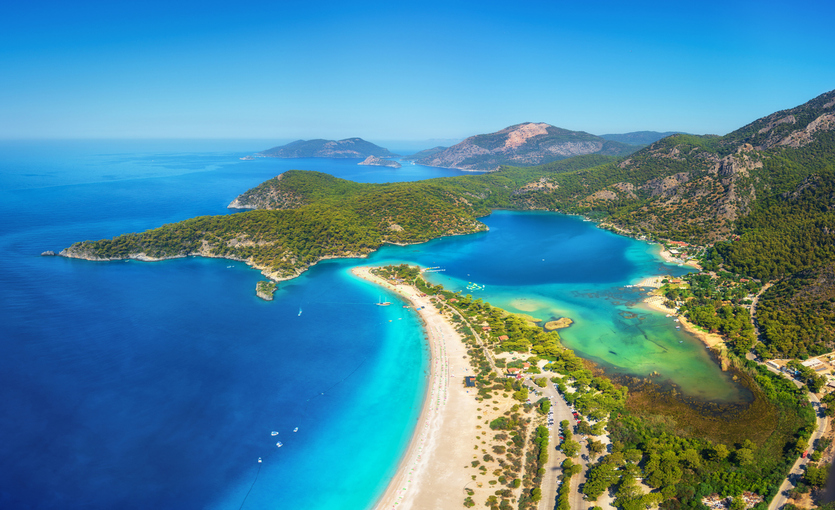
Most people who visit Muğla province think they already know what they’re getting: a resort town, a yacht marina, a famous lagoon. They are not wrong, exactly, but they are missing the larger picture by a considerable margin. Muğla’s coastline is the longest and most varied of any province in Türkiye, stretching from the Bodrum Peninsula in the northwest to the Lycian coast beyond Fethiye in the east, and it contains within that arc some of the most extraordinary combinations of landscape and history anywhere in the Mediterranean. There are bays here that can only be reached by boat or a forty-minute walk through pine forest, and ancient cities here that most archaeologists have barely touched, and stretches of water here that change color four times between morning and afternoon depending on the depth and the angle of the sun. This is not a general overview. It is a specific guide to what most visitors miss, and why missing it would be a shame. Book a cheap flight to Dalaman or a cheap flight to Bodrum with Pegasus, check the Pegasus route map for connections, and use the district breakdown below as your starting point.
The Bodrum Peninsula: What Lies Beyond the Marina
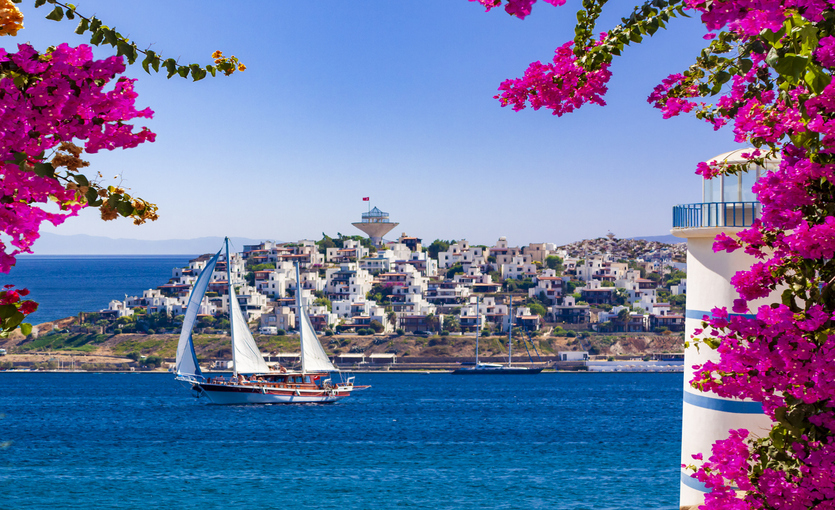
Bodrum town is well known enough that most people arrive with a set of expectations already formed, and the town broadly meets them: a castle, a bazaar, whitewashed houses, a waterfront. But the peninsula that extends from the town is a different matter, and most visitors barely scratch its surface. The north coast, facing the Gulf of Gökova, contains a series of bays that are either boat-access only or reachable by unpaved roads that most hire car companies would prefer you not to mention. Bağla Koyu is one of them: a sheltered cove backed by olive groves, the water a shade of green-blue that photographs will never quite reproduce, with nothing there except a small dock and the sound of the wind in the trees. Karaincir, on the southwestern tip, is more accessible but still noticeably quieter than the peninsula’s better-known bays, with a long pebble-and-sand beach and the kind of low-key infrastructure that allows you to spend a full day without feeling managed.
Datça and Gökova: The Peninsula That Time Has Left Largely Alone
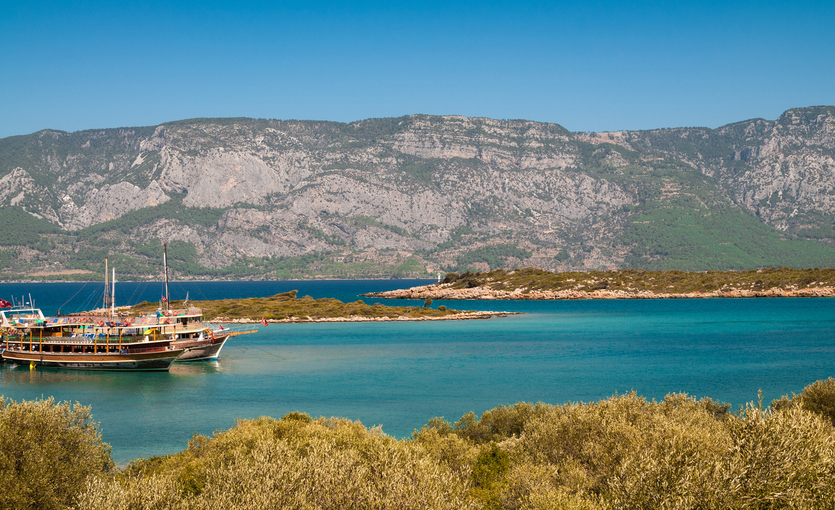
There is an argument, and it is not a difficult one to make, that the Datça Peninsula is the most beautiful piece of land in Türkiye. It is seventy kilometers long and in places barely a kilometer wide, with the Aegean on one side and the Mediterranean on the other, and the further west you drive the more it feels like the mainland is retreating rather than you advancing into it. The landscape is mastic groves and pine forest and rocky headlands above water that moves between turquoise and deep indigo depending on depth and time of day. The villages are small and the roads are sometimes challenging and the absence of large-scale tourism infrastructure is not an oversight but a condition of the place.
Marmaris and Bozburun: Pine Fjords and a Forgotten Hilltop City
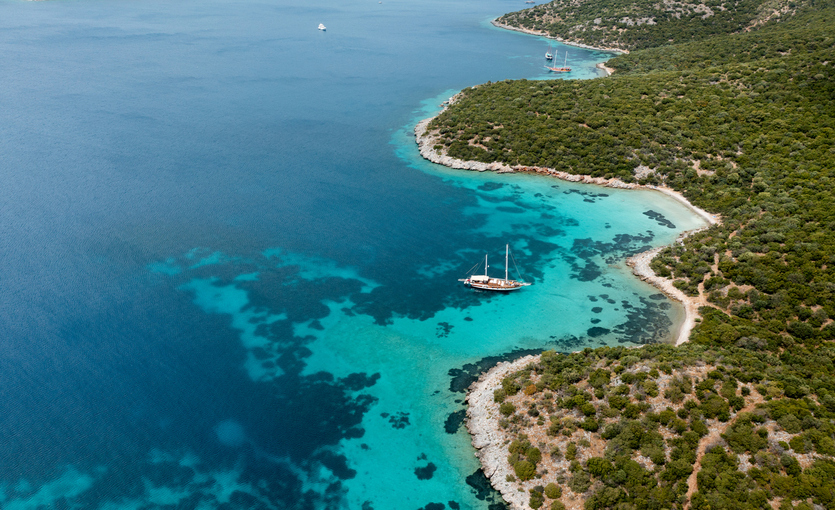
Marmaris is the kind of town that attracts a certain kind of reputation and then spends the rest of its existence being slightly more interesting than that reputation suggests. Yes, there is a busy marina and a bar street and a cosmopolitan waterfront that operates loudly in summer. But the bay that Marmaris sits within is also genuinely extraordinary, a long inlet surrounded by pine-covered mountains that drop straight into the sea, and the town itself has a small castle on a rock at its center that most visitors walk past without going in, which is their loss because the view from the top reframes the whole geography of where you are. Marmaris: Things to Do in Marmaris, Turkey covers the town itself in detail.
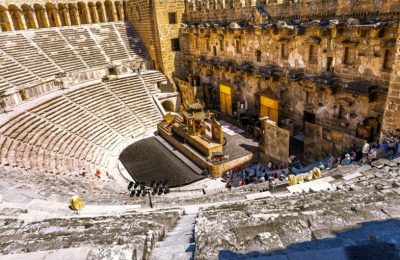
The real revelation of this district is the coast south of Marmaris, down through the Bozburun Peninsula, which receives a fraction of the attention its coastline deserves. Selimiye is a village at the end of a winding road above a bay of remarkable calm, with a handful of wooden-boat builders still working on the shore in a tradition that goes back centuries. Kumlubük is a small settlement around a sandy bay backed by forest that would be famous if it were anywhere more accessible, and its relative difficulty of access is entirely the point. The ancient city of Amos sits on a hilltop above Marmaris, reachable by a moderately demanding hike, with a theater and fortification walls and views over the bay and the Greek islands beyond that justify every step of the climb.
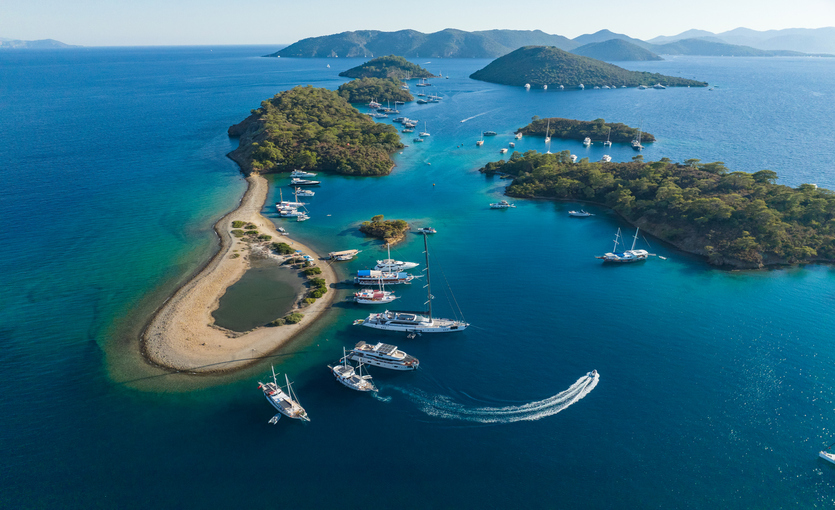
Fethiye and Göcek: Lycian Ghosts and an Archipelago Nobody Crowds
Fethiye is a working harbor town with three thousand years of continuous habitation behind it, and those layers are visible if you know where to look. The Lycian rock tombs carved into the cliff directly above the modern town center belong to a civilization that was neither Greek nor Persian but something distinctly its own, with a culture of cliff-face burial that produced some of the most dramatic funerary monuments in the ancient world. Tlos and Pinara, the Lycian cities accessible within an hour of Fethiye, are both more remarkable and more peaceful than their scale might suggest: Tlos has a rock citadel and a Roman theater and tombs carved into vertical cliff faces above a river valley, and Pinara, set into a vast circular rock formation, contains the highest concentration of rock tombs anywhere in Lycia, most of them impossible to reach and visible only from below. These are not tourist sites in any managed sense. They are ancient places that you visit more or less on your own terms.
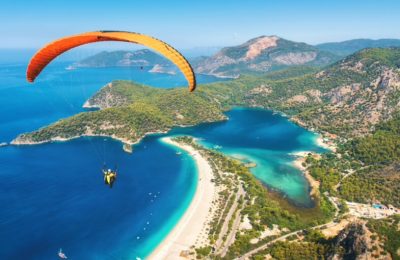
Ölüdeniz, twenty minutes south of Fethiye by road, is the bay most people associate with this part of Muğla, and the photographs are not exaggerating: the Blue Lagoon is genuinely that color. But the bay is also a Blue Flag beach with good facilities and a well-developed visitor infrastructure, which means it is best treated as one stop among several rather than the destination itself. The 5 Best Beaches in Turkey places Ölüdeniz in the context of the country’s best swimming spots. The Butterfly Valley, accessible by boat from Ölüdeniz, is the counterpoint: a narrow gorge opening onto a pebble beach with no road access, simple overnight camping, and a seasonal migration of tiger moths that gives the valley its name. It represents the kind of experience that What Does Slow Travel Mean? describes but that is hard to properly understand until you’ve spent a night there listening to a waterfall.
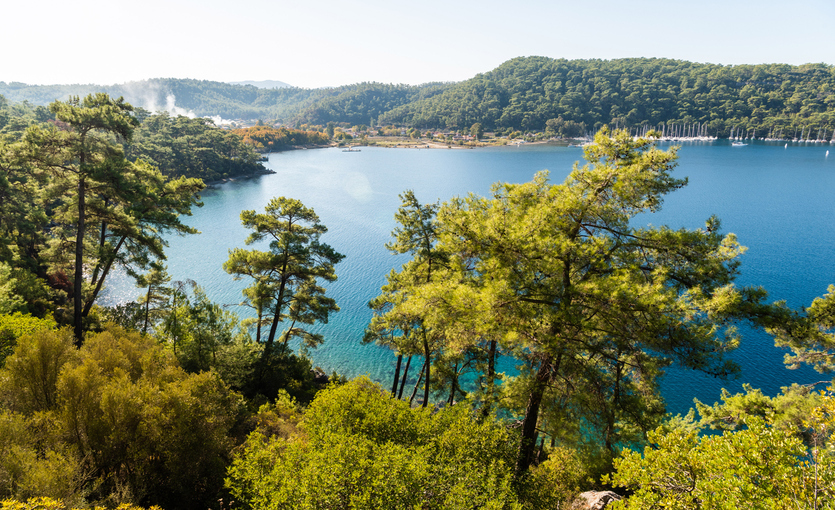
All 24 Bays: The Complete List
Every bay in this guide, grouped by district and ordered roughly from most accessible to most remote. Access type is listed for each one — if it says boat only, that is not a suggestion.
Bodrum Peninsula
- Karaincir Koyu (Car) Calm, pebble-sand bay on the southwestern tip. The most accessible of the peninsula’s quieter spots.
- Akbük Koyu (Car) Near Mazı; shallow, clear water and a low-key atmosphere. Good for families.
- Bağla Koyu (Car + walk) North shore; olive groves behind a green-blue cove. No facilities.
- Mersincik Koyu (Boat only) North coast; entirely untouched pine-forested cliffs. No facilities at all.
- Kissebükü (Boat only) Byzantine church ruins on the shore; deep, calm anchorage in the Gökova gulf.
- Pabüç Burnu (Boat only) Two pine-lined anchorages deep in the Gökova gulf. No infrastructure, perfect silence.
Gökova Gulf
- Mazı Koyu (Car) Mandarin groves, pebble beach, local fishing boats. Buy fish straight from the boats.
- Hayıtbükü (Car) Gökova-side family bay; small pensions, home cooking, calm water.
- Bencik Koyu (Boat only) Northern Gökova; favourite overnight anchorage for Blue Voyage gulets.
- Tuzla Koyu (Boat only) A brackish lake sits directly behind the beach. One of the most unusual bays on the coast.
- Domuzbükü (Boat only) Protected national park bay; among the finest water in the gulf.
- Kleopatra Koyu (Boat only) Roman bathhouse ruins visible in the shallows. Swim above ancient stone.
- Yedi Adalar (Boat only) Seven islands forming a natural harbor; nature reserve with exceptional snorkelling.
Datça and Bozburun
- Değirmen Bükü (Car) Near Datça; windmill ruins on the hill above. Quiet and remote in feel.
- Selimiye Koyu (Car) Bozburun’s finest village bay; wooden boat builders still work on the shore.
- Kumlubük (Car + walk) Pine-backed sandy bay; popular with gulets but rarely feels crowded.
- Mesudiye Bükü (Car + walk) Southern Datça peninsula; clear water, practically no visitors.
- Bozukkale (Boat only) Tip of Bozburun; Carian ruins on the headland, direct view across to Rhodes.
Fethiye, Göcek and Coast
- Kabak Koyu (Car + walk) Lycian Way; gorge beach with camping and a waterfall walk at the back.
- Kille Koyu (4×4 track) Near Göcek; ancient chapel ruins in the pine forest above the cove.
- Bedri Rahmi Koyu (Boat only) Named after the Turkish painter who fell in love with it; completely secluded.
- Hamam Koyu (Boat only) Roman bathhouse ruins in the shallows of Göcek gulf. Swim among the stones.
- Gök Gemile (Boat only) ‘Help Cove’; white sand and pine shore near Kapıdağ Peninsula. No facilities.
- Göcek Islands (Boat only) Twelve islands, each different. Crystal visibility of 15–20 meters. The best of Muğla.