Something has happened to travel. It has become, for many people, a continuous performance: the photograph before the meal, the story before the swim, the location tag before you’ve had a chance to feel where you are. The device is always there, and the question it keeps asking is whether this moment is worth sharing, which is really a question about whether this moment is happening at all. Digital detox travel is not a wellness trend or a marketing category. It is simply the decision to go somewhere and be there, without documentation, without connectivity, without the low-level hum of other people’s opinions about your choices.
This is where to find it. Fly in on a cheap flight to İzmir or a cheap flight to Dalaman with Pegasus, check the Pegasus route map for the connection that gets you closest, and then put the phone away for as long as you can stand it. What Does Slow Travel Mean? covers the philosophy in more depth; this is the practical guide to where it actually works.
Seferihisar: The Town That Voted for Slowness
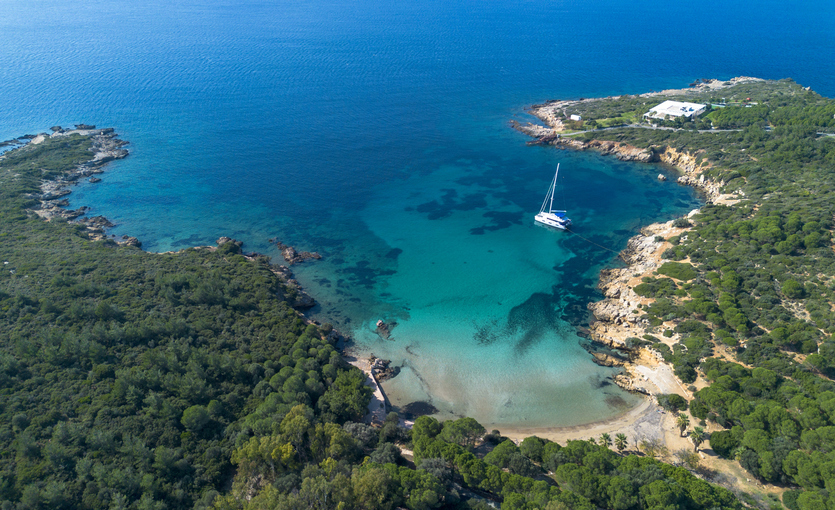
Seferihisar was the first town in Turkey to join the Cittaslow network, an international movement of towns that have formally committed to a slower pace of life: local food systems, restricted development, quiet streets, an economy built around producers rather than consumers. The commitment is real and visible. The weekly organic market runs on the kind of unhurried schedule that makes you adjust to it rather than the other way around. The old quarter is intact and inhabited rather than curated. The fishing harbor at Sığacık, a few kilometres down the road, is genuinely working: the boats go out in the early morning and come back with fish that are on the restaurant tables the same evening. There is a Venetian castle overlooking the harbor that most visitors do not go into, which means when you climb to the top you are usually alone with the view across the Aegean.
Akyaka: A River, Some Reeds and the Sound of Nothing Much
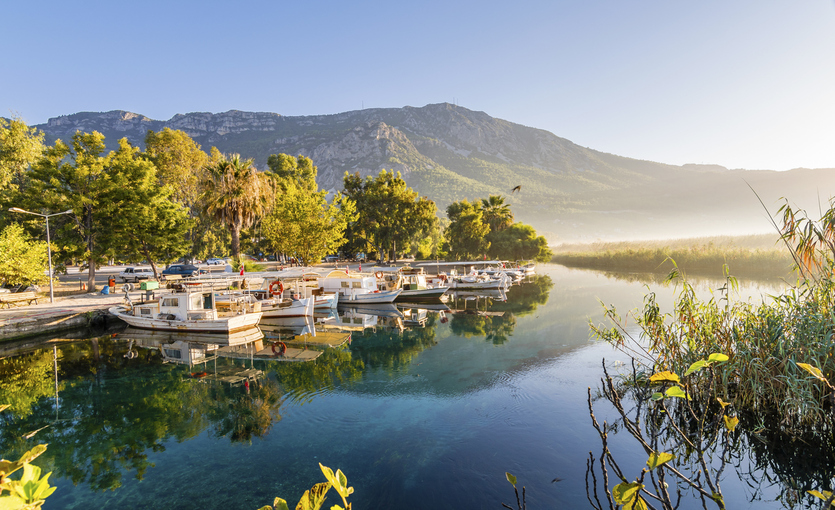
Akyaka is the kind of town that people discover by accident and return to deliberately. It sits at the point where the Azmak River empties into the Gulf of Gökova, and the river itself is the town’s defining feature: cold, clear, slow-moving, lined with reeds and willows, full of ducks and the occasional turtle, and traversable by paddleboard or kayak at a pace that the river sets rather than you. The architecture of the old town was influenced by a single local architect who spent decades ensuring that new buildings matched the wooden vernacular of the Ottoman houses already there, and the result is one of the most visually coherent small towns on the Turkish coast. It is also a Cittaslow member, which accounts for both the food culture and the absence of the kind of development that has changed the character of similar towns elsewhere.
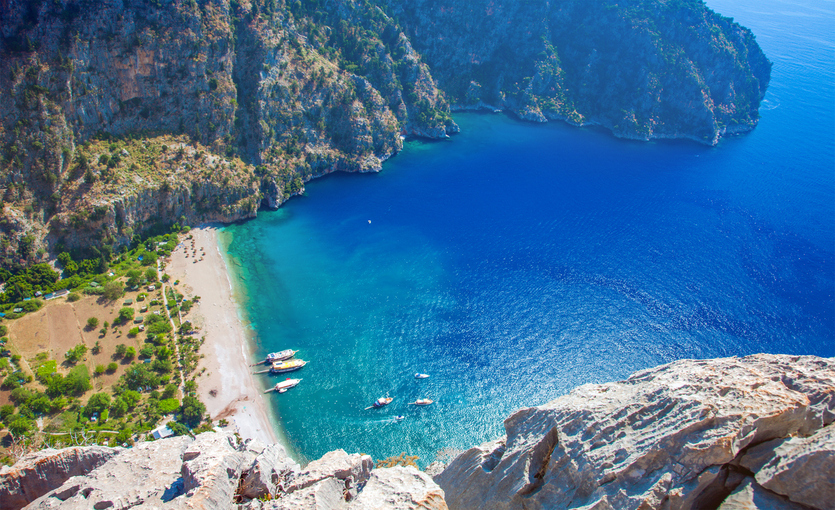
Faralya: The Village at the Edge of the Air
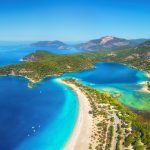
Faralya sits at 440 metres above the Mediterranean on a clifftop above the Butterfly Valley, and the view from the village’s terrace restaurants is one of the most extraordinary in Türkiye: a direct vertical drop to the sea, the valley below in deep shade until mid-morning, the Aegean opening out beyond it in every shade of blue the light can find. Signal is minimal. The road up from Ölüdeniz is narrow and winding enough that most people do not attempt it in a standard hire car, which keeps the village genuinely quiet even in the height of summer.
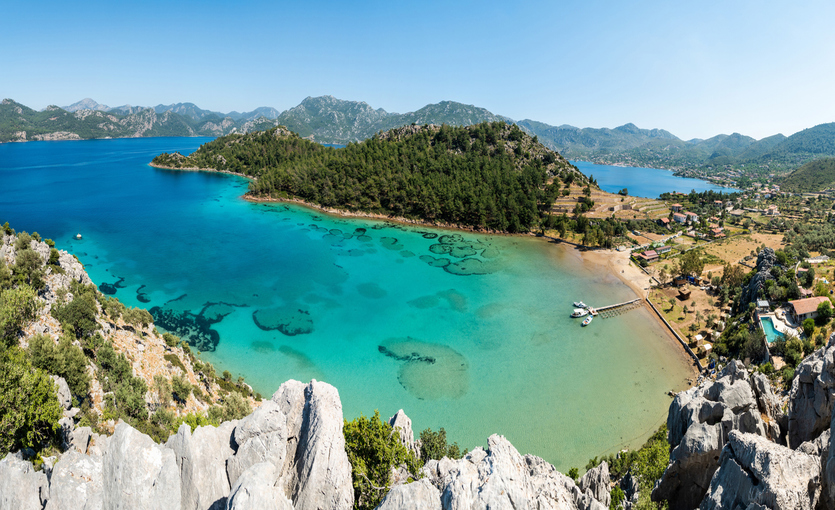
Selimiye and Bozburun: Two Villages at the End of the Same Road
The Bozburun Peninsula extends south from Marmaris into the Aegean, and the further south you drive the quieter and more emphatic the landscape becomes. Selimiye is a village on a bay so calm and so perfectly proportioned that arriving there for the first time produces a specific sensation: the feeling that someone has arranged things carefully on your behalf. Wooden gulets are built on the shore in a tradition that goes back centuries, and the sight of a half-finished hull rising above the waterfront gives the village a working character that most Aegean resorts have long since lost. There are two or three fish restaurants, a small market, and the sound of the sea.
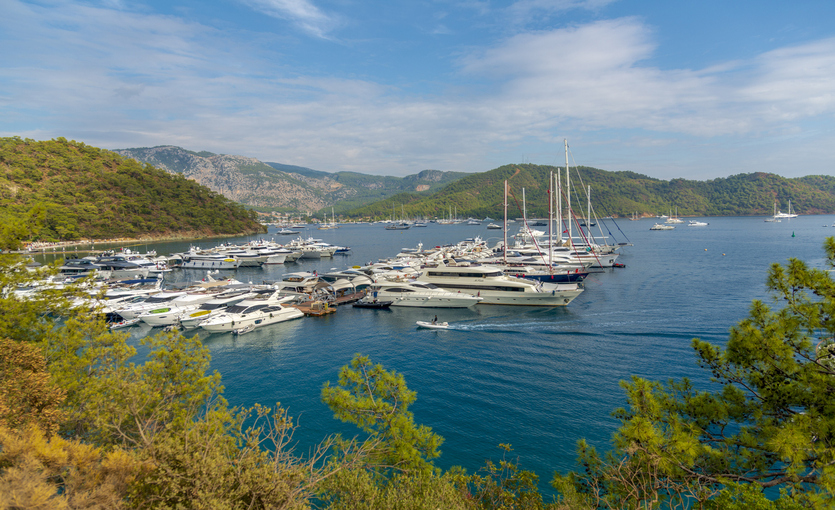
Göcek: The Marina Town That Earns Its Quiet
Göcek is the detox destination that feels like a paradox at first: a marina town, with yachts and a waterfront and good restaurants and the kind of visitors who wear linen and drink rosé at lunch. But Göcek earns its place on this list because the silence it offers is the silence of the water, and water silence is different from land silence. The twelve islands scattered across the bay in front of the town are all boat-access only, and a day on a hired boat among them, stopping to swim in bays where the only other craft is an occasional gulet, produces the kind of disconnection that no mountain village can quite replicate.
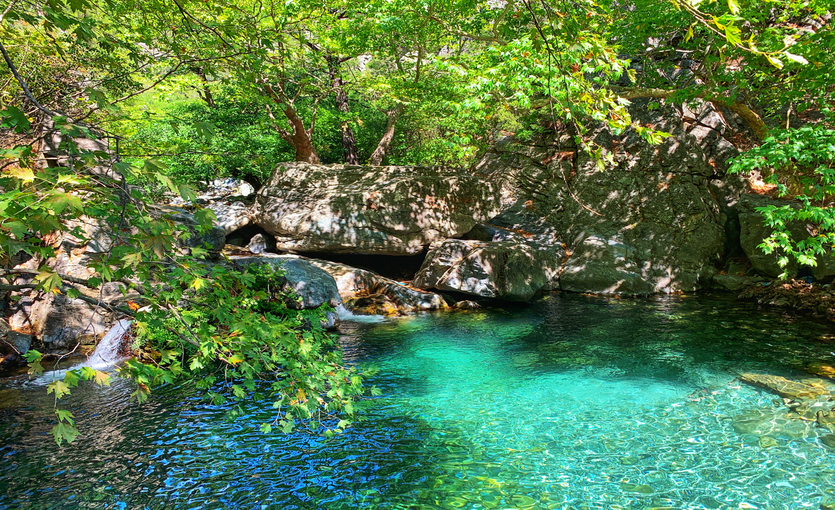
Kaz Dağları: The Mountain Homer Wrote About
The Kaz Mountains, known in antiquity as Mount Ida, rise above the northwestern Aegean coast between Çanakkale and Balıkesir, and they are the kind of mountains that change your understanding of what a forest is. The black pine trees are old and tall and dense, the cold springs that run down through the valleys are the color of glass, and the trails that cross the national park feel genuinely remote in a way that is increasingly rare in accessible Europe. Homer placed the gods here, watching the Trojan War unfold on the plain below, and the mountain has a quality of stillness that makes that mythology feel less like invention and more like observation.
The villages on the mountain’s slopes, places like Adatepe and Güre, offer simple guesthouses run by people who have been feeding hikers for decades, and the food is mountain food: bread baked in wood-fired ovens, honey from hives in the forest, eggs from chickens that you can hear from your window. There is almost no signal on the upper trails, and this is not presented as a problem but as a condition of the place. The nearest Pegasus-served airport is Balıkesir-Edremit, a short drive from the mountain’s western slopes. Kaz Mountains (Mount Ida): Places to Visit covers the trails and villages in detail. Türkiye’s Top Treks places the Kaz Dağları in the context of the country’s best walking terrain.
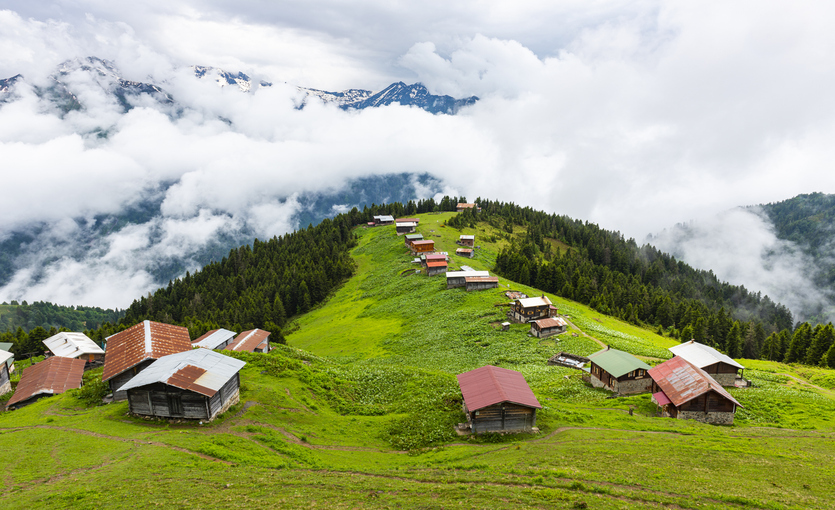
Rize and Çamlıhemşin: Valleys So Deep the Light Comes Late
The Black Sea coast of Türkiye is a different country from the Aegean and Mediterranean south. The climate is cool and wet, the mountains are densely forested and come directly to the sea, and the culture of the villages in the high valleys is shaped by an isolation that the modern road network has reduced but not eliminated. Rize is the center of Türkiye’s tea-growing region, and the terraced hillsides above the city, green in a shade that only sustained rainfall produces, are among the most visually distinctive landscapes in the country. The town itself is a working port with a good market and a tea culture that operates without any concession to tourism: you drink çay from a tulip glass in a tea house where the television is on and nobody is looking at you.
Çamlıhemşin, up the Fırtına Valley from Rize, is where the mountains close in and the valleys narrow to gorges. The Fırtına River runs fast and brown after rain, the medieval stone arch bridges span it at intervals that suggest a settlement history far longer than any road implies, and the Ayder plateau at the valley’s head, surrounded by peaks above 3,000 metres, has hot springs and a village culture that has been receiving visitors for centuries without being transformed by them. Fly into cheap flights to Trabzon or cheap flights to Rize-Artvin with Pegasus and drive up into the valleys from there. Most Popular Traditional Foods of the Black Sea Region covers what to eat while you’re there, and Wellness Weekends: Thermal Springs and Tranquil Villages in Türkiye covers the Ayder plateau in the context of the country’s best thermal destinations.