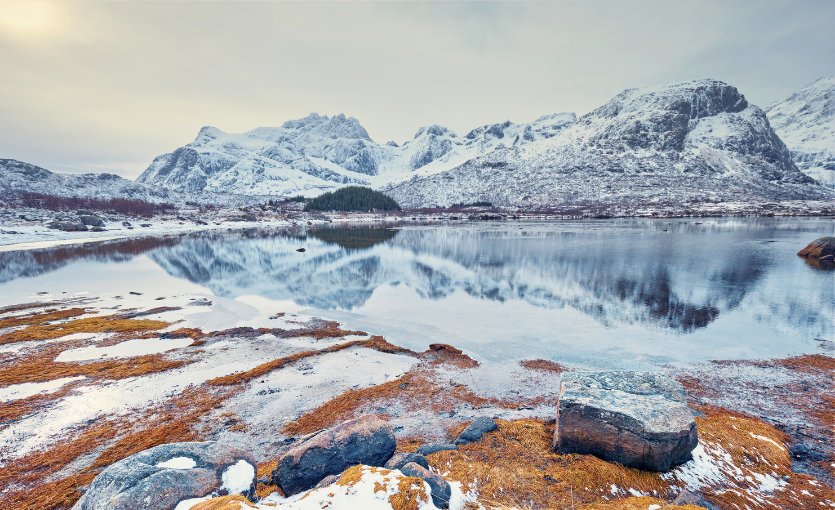
Imagine a silence so complete that you can hear your own breath turn to frost. The fjord below is a sheet of dark glass, the mountains wear snow to their shoulders, and a thin ribbon of light, pink, then gold, then blue, slides along the horizon for the few hours the sun bothers to show up. Then you step inside to a wood-paneled cabin, a woolen blanket and a steaming cup of something sweet, and the cold becomes a luxury. That is Norway in deep winter, and it is far easier to reach than you might think. With a direct flight to Norway from Istanbul to Oslo and an onward train or short flight, the frozen north is a long weekend away.
This is your first-timer’s guide: where to base yourself, how to see the fjords when the days are short, how to chase the northern lights and what to wear so that you actually enjoy it. Start with cheap flights to Oslo, or begin with cheap flights to Istanbul and connect from there, and fuel up on the way with Pegasus Café’s pre-order menu. Don’t forget you can order your meal up to 24 hours before the flight! Prefer to see more of the Nordic region first? Our Coffee Steam and Frozen Streets in Scandinavia’s Cozy Capitals is a lovely companion.
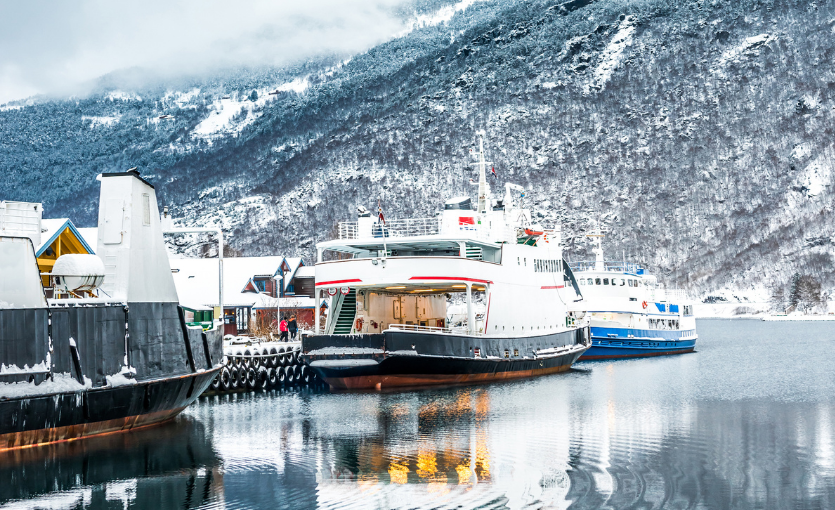
Oslo: Ski Trails, Saunas and the Fjord on Your Doorstep
Pegasus flies to Oslo Airport, and the capital is the easiest introduction to Norwegian winter you could ask for. In December the sun is up for only about six or seven hours, which means you get long, glowing blue afternoons and a city that lights up early. Cross-country ski trails start a short metro ride from downtown, you can slide down a two-kilometer toboggan run on the Korketrekkeren, and on the harbor promenade you can sweat in a floating sauna and then dive into the fjord. This is how Norwegians do winter: they do not hide from it. For a Turkish take on steam and snow, see Winter Wonders of Türkiye: Where Snow, Steam & Street Snacks Shine.
- Do: Take the metro to Frognerseteren for ski trails, snowshoeing or the toboggan run, then warm up with a cinnamon bun by the fire. In late November and December the city also has a Christmas market, and for markets elsewhere in Europe, see Fairy Lights Mulled Wine: The Ultimate Guide to Europe’s Best Christmas Markets.
- See: The MUNCH museum, the National Museum, the Polar Exploration Museum and the ski jump at Holmenkollen.
- Eat: Try fiskesuppe (creamy fish soup), reindeer stew or kanelboller (cinnamon buns) with a hot chocolate.
- Getting there: It takes about four hours from Istanbul Sabiha Gökçen to Oslo. Check out the Pegasus route map to see how to reach it from your city, and to add a second stop, see Flight Hacks: How to Plan a Multi-Stop Trip with Pegasus.
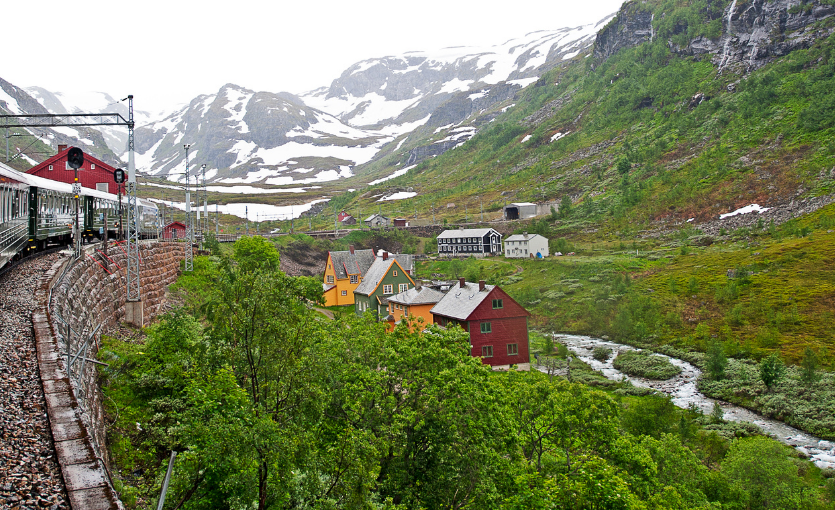
Fjords by Rail: The Bergen Railway, Flåm and the Nærøyfjord
Here is the postcard. A train climbs out of Oslo across a white mountain plateau, snow piled against the windows, then drops toward the fjords in a long, slow curve. The Bergen Railway and the Flåm Railway both run year-round, and the Flåm line is among the steepest in the world, rattling down past frozen waterfalls and silent farms to the water. In winter the fjords are quieter, the light is low and golden, and the cruises feel almost private. Plan your sailing for the daylight hours, and stay overnight in Flåm so you are not rushing. The classic combination is called Norway in a Nutshell, and it runs in winter too. For more of Europe’s great train rides, see Railway Journeys in Europe: Routes That Feel Like Movies.
- Do: Ride the Bergen Railway across the snowy plateau, change at Myrdal for the Flåm Railway and take a fjord cruise through the Nærøyfjord.
- See: Frozen waterfalls, mirror-still water and the Stegastein viewpoint high above the fjord.
- Bergen: The coast is milder, with more rain and wind than deep snow, so bring a good waterproof jacket.
- Getting there: Pegasus lands you in Oslo, and the railway takes you west. Keep it slow and savor the view, in the spirit of What Does Slow Travel Mean and How To Do It?.
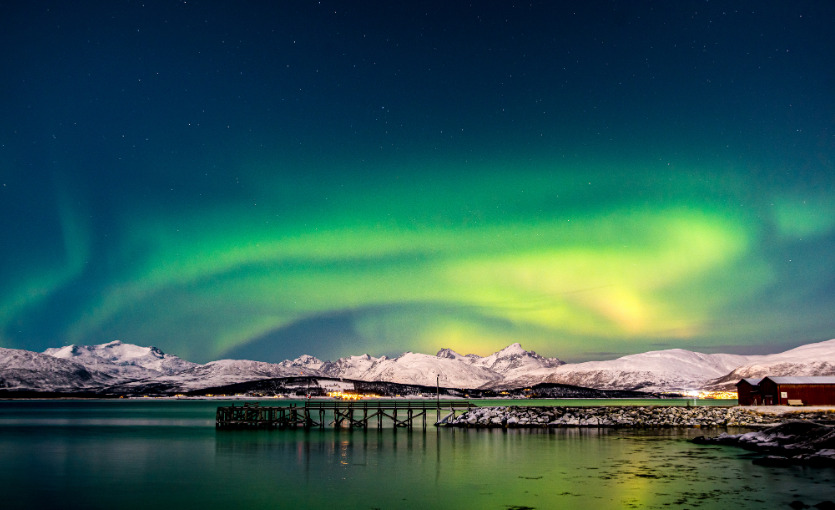
Chasing the Aurora: Tromsø and the Arctic North
If your dream is the northern lights, you need to go north. From October to March the sky over northern Norway is dark enough for the aurora, and January and February are often the best months. Tromsø and the Lofoten Islands are the classic spots. Picture standing on a frozen shore at midnight, a thermos in your hands, when a green ribbon unfurls overhead and starts to dance. Between the lights, there is plenty to fill the days: dog sledding across frozen tundra, snowmobile tours, reindeer farms and, from January to April, whales following the herring into the fjords. In Tromsø, the sun stays below the horizon from late November to mid-January, a period called the polar night, but soft blue twilight lingers. Come back in summer for the opposite extreme, as described in Iceland in the Midnight Sun.
- Do: Join a guided aurora hunt or a fjord cruise, then try dog sledding, a reindeer visit or an Arctic sauna.
- Remember: The lights cannot be seen from Oslo, and the forecast is never a promise, so allow several nights.
- Getting there: Fly to Oslo with Pegasus, then continue north on a short domestic flight. After a long journey, the upgrade package adds a little extra comfort.
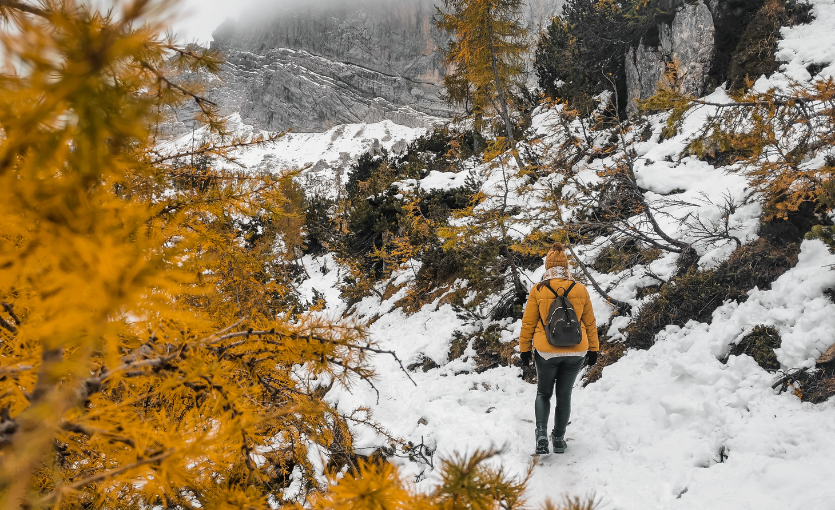
Dress Like You Mean It: What to Pack for Deep Winter
Norway in winter is about layers. Start with a thermal base, add wool or fleece in the middle and wear a windproof, waterproof shell on top. Pack warm socks, insulated boots with real grip, a hat, gloves and a scarf. Ice grips for your shoes make city sidewalks much easier, a head torch is useful in the dark north and swimwear is a must if you plan to try a sauna. Check the baggage allowance page before you load up the suitcase. If you plan to ski or snowboard, ski sets are treated as special equipment, so check the rules and add them before you fly, and browse our extreme sports page for more cold-weather ideas, and for slopes closer to Türkiye, see Alps Vibes, Türkiye Prices: Where to Ski This Winter.
- Layers: Wool next to the skin, fleece or down in the middle, a shell outside.
- Feet: Warm, waterproof boots and ice grips for slippery streets.
- Extras: A head torch, spare batteries, because cold drains them, and swimwear for the sauna.
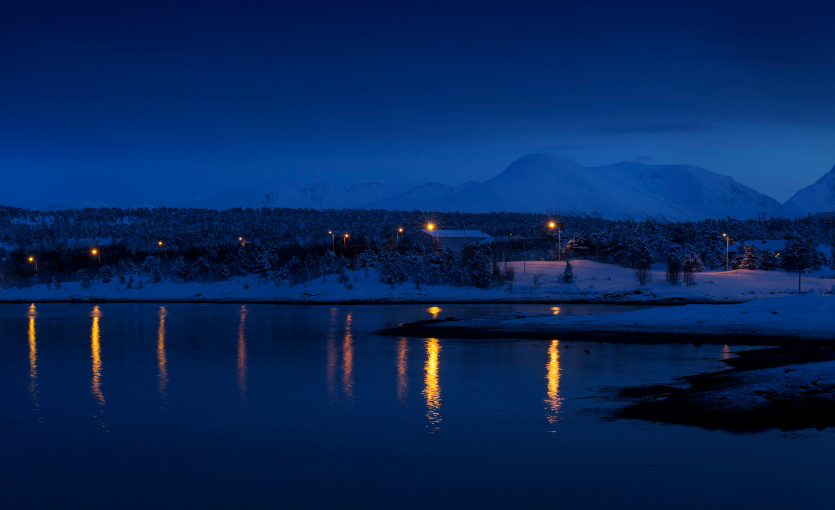
Plan Like a Pro: Timing, Daylight and Budget
Deep winter means short days, so plan your big outdoor moments, like fjord cruises and ski sessions, around the middle of the day and save museums and saunas for the dark hours. Daylight in Oslo is tightest in December and improves through February, and snow is most reliable from January into early March. Book your rail and cruise tickets in advance, and keep the schedule loose enough to chase a clear sky. Our guide on how to find cheap flights helps you spend more on the experience, and The Smart Traveler’s Toolkit: Booking, Baggage & Beyond covers the rest of the planning.
A cheap flight to Istanbul is often the first leg, and with a flight to Türkiye or a cheap flight ticket to Türkiye in the same season, you could warm up afterward too. Whatever you choose, an Istanbul flight ticket is where the adventure starts.