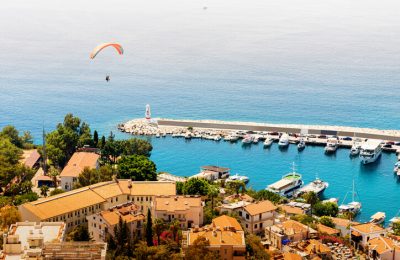

There’s a corner of Türkiye that most travelers fly straight over on their way to Istanbul or Izmir — and that’s precisely why you should stop there. The North Aegean is a slow, layered world where Bronze Age ruins meet sun-warmed vineyards, where Greek island ferries depart from small harbor towns, and where pine-forested mountains drop into turquoise bays. This isn’t a checklist destination. It’s a route for people who want to feel somewhere, not just see it. Book a cheap flight to Istanbul or a cheap flight to Izmir with Pegasus Airlines, and this journey begins the moment you land.
Getting There: Your Gateway to the North Aegean
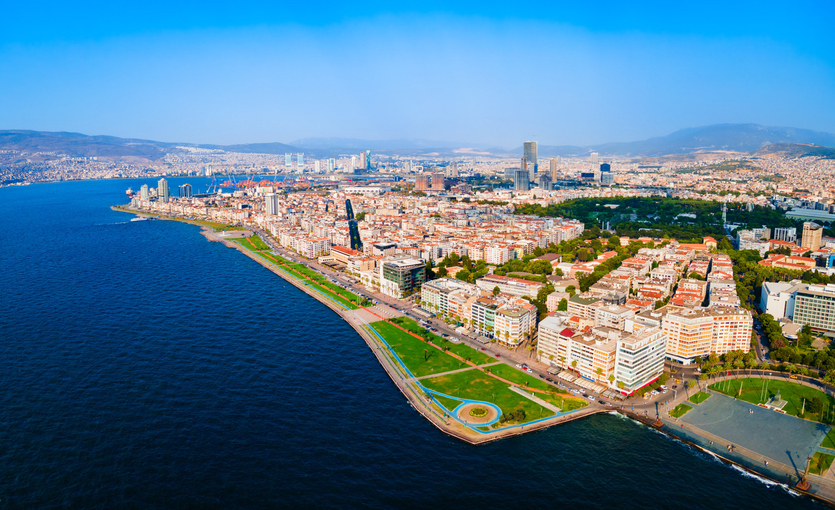
The smartest way to start this route is with a cheap flight ticket to Türkiye into Izmir Adnan Menderes Airport. Pegasus flies regularly into Izmir, making it one of the most accessible entry points for the Aegean region. From there, you head north — and the further north you go, the quieter and more extraordinary it gets. Whether you’re coming from Istanbul, London, or anywhere Pegasus connects across Europe, the Pegasus route map will show you just how easy it is to reach this underexplored stretch of the Turkish coastline. If you’re planning ahead, check the how to find cheap flights guide on the Pegasus blog and lock in your fare early.
Bozcaada: Vineyards, Wind, and the Slowest Kind of Beautiful
Your first stop is Bozcaada — a small Aegean island that feels like it was designed by someone who wanted to bottle the concept of “unhurried.” This is one of Türkiye’s Best Wine Villages You Haven’t Visited Yet, and once you arrive, you’ll understand immediately why that title fits. The island’s vineyards stretch across a landscape of red soil and salt-touched air, producing wines — particularly whites and rosés — that have a character entirely their own. Bozcaada üzüm bağları ve şarapçılık, meaning the island’s vineyard and winemaking culture, is the beating heart of the place. In late summer and early autumn, the grape harvest turns the whole island into a kind of open-air celebration.
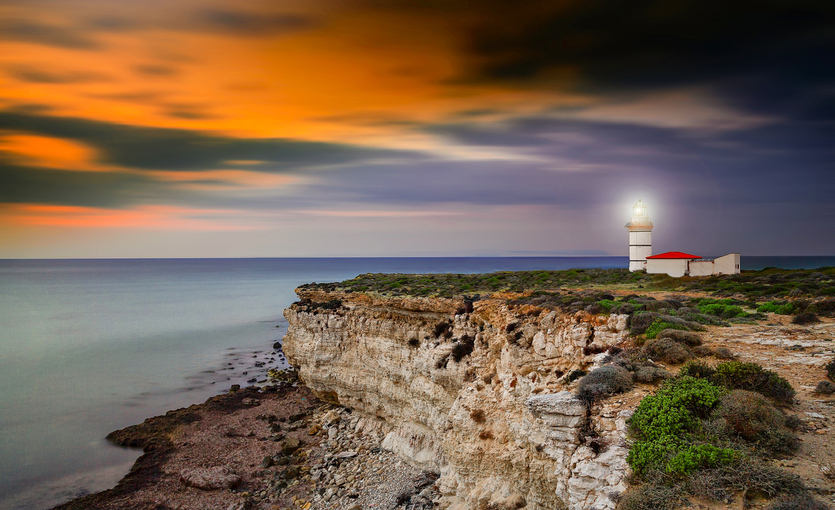
Walk the vineyard rows in the early morning before the heat settles. Stop at a family-run winery and ask about the process — most producers here are small-scale and genuinely proud to share. By evening, find a terrace facing west and wait for the Polente sunset. The lighthouse at Polente Point is one of those rare spots where the light does something to the sea that no photograph quite captures. The sky turns amber, then deep pink, then a blue so saturated it looks invented. Sit with a glass of local wine and absolutely do not rush this.
The island is also a gateway for thinking about Best Wine Routes in Europe You Didn’t Know— because Bozcaada holds its own against far more famous wine regions, and it does so quietly, without the crowds.
Assos (Behramkale): Where Aristotle Once Walked
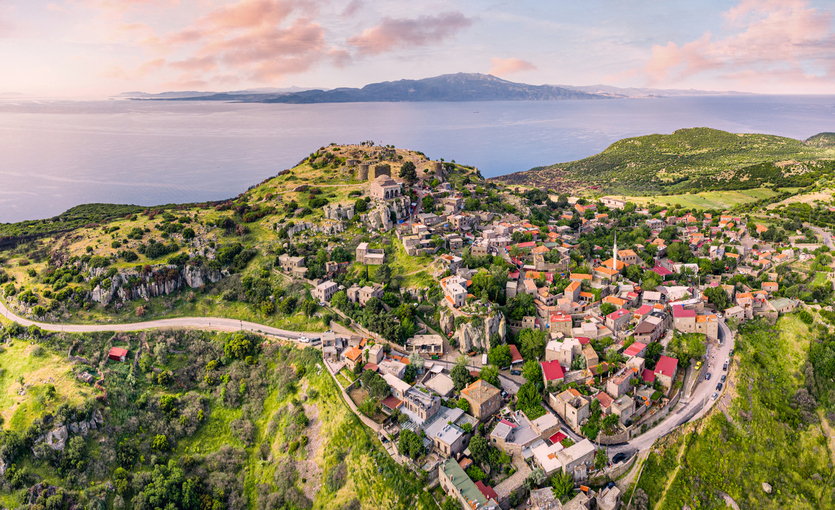
From Bozcaada, a short ferry and drive brings you to one of the most dramatically situated ancient sites in the whole of Türkiye — Assos, perched on a volcanic cliff above the Aegean. The Asos antik kent gezisi, or Assos ancient city tour, is the kind of experience that reframes everything you thought you knew about history. This was a place where Aristotle actually lived and taught, where the Temple of Athena still stands at the clifftop with columns silhouetted against the sea. The views across to Lesbos are extraordinary — you’re looking at Greece from the ruins of a 4th-century BCE city, and the geographical and cultural intimacy between the two shores feels very tangible here.
The village of Behramkale below the ruins is a handful of stone houses, guesthouses, and harbour-front fish restaurants. Eat simply here — grilled fish, olive oil, fresh bread. The North Aegean’s culinary identity is clean and ingredient-led, deeply shaped by its olive groves and its sea. For anyone following the Izmir travel guide or the broader Türkiye travel guide, Assos is often listed as a day trip — but it deserves at least one night, ideally two.
This is also a place worth putting on your radar if you’re building a slow travel itinerary. What does slow travel mean? It means staying somewhere long enough to stop performing tourism and start actually inhabiting a place. Assos rewards that completely.
Ayvalık: The Town That Looks Across to Greece
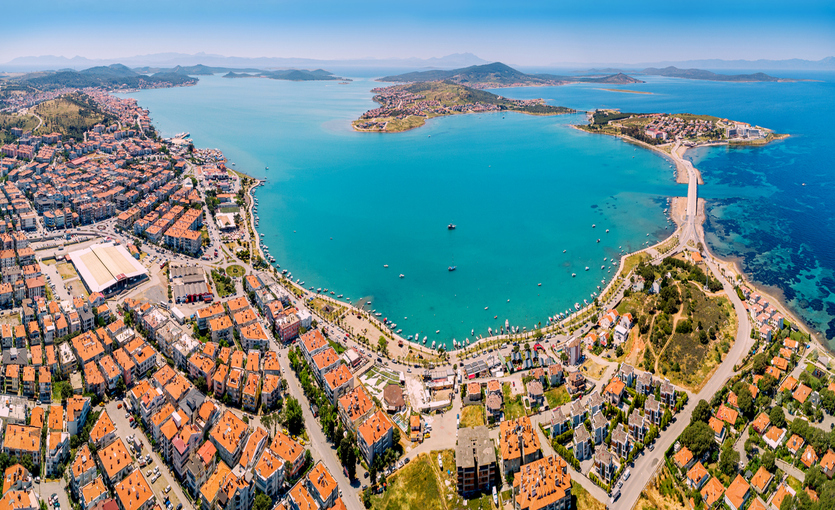
Moving south along the coast brings you to Ayvalık — and this town is something else entirely. Ayvalık’tan Yunan adası’na geçiş, the crossing from Ayvalık to the Greek island of Lesbos, is one of the most quietly remarkable border experiences in the region. A short ferry ride, and you’re in another country, another currency, another coffee culture — but looking back at the same coastline you just left. It’s a seamless transition that captures something essential about this part of the world: the Aegean doesn’t really separate Türkiye and Greece, it connects them.
But spend real time in Ayvalık before you cross. The town’s old quarter is a maze of 19th-century Greek-era stone buildings, now repurposed as boutique hotels, olive oil shops, and meyhanes where you eat small plates and drink rakı until late. The surrounding archipelago — dozens of small islands scattered across a shallow bay — is best explored by boat. Ask locally about morning trips. Cunda Island (Alibey Adası), connected to Ayvalık by a causeway, is worth crossing for its seafood restaurants alone. Ayvalık is also increasingly being recognized in the context of Top Coastal Escapes in Europe with Pegasus Airlines— and rightly so.
Before your flight home, don’t forget you can order your meal up to 24 hours before your flight with Pegasus Café’s Pre-order menu — a genuinely useful option when you’ve been eating your way around olive-oil country and arrive at the airport with specific cravings.
Kaz Dağları: Into the Mountains Above the Sea
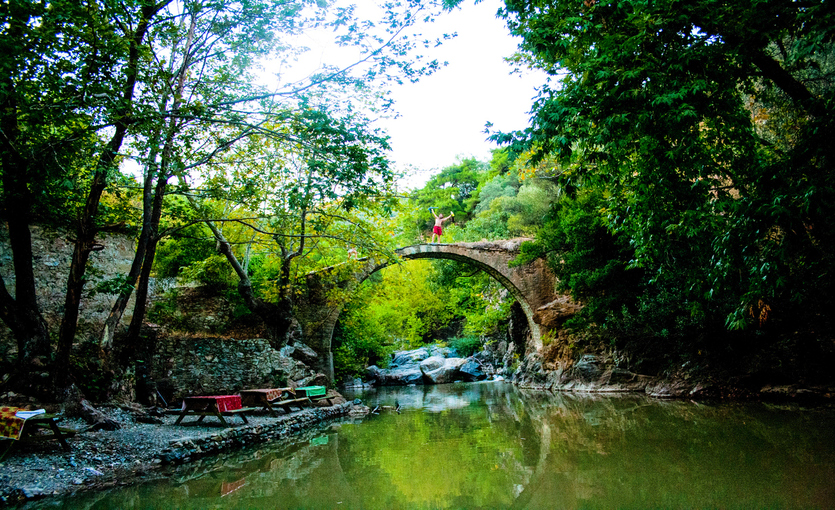
No North Aegean route is complete without heading inland to Kaz Dağları — known in antiquity as Mount Ida, the mountain from which, according to Homer, the gods watched the Trojan War unfold below. Today, the Kaz Dağları doğa yürüyüşü, or nature hike through Kaz Mountains, is one of the most underrated outdoor experiences in the country. Dense black pine forests, cold springs, wildflower meadows, and trails that feel genuinely remote despite being within reach of the coast.
The mountain has been at the center of significant conservation efforts in recent years, and there’s a strong local culture of ecological consciousness here. Hikers can follow marked trails through the national park, and the mountain villages — places like Adatepe — offer simple guesthouses and home-cooked meals that feel like stepping back several decades in the best possible way. This is ideal territory for anyone following the Kaz Mountains (Mount Ida) Türkiye places to visit guide or looking for experiences that feed into Wellness Weekends: Thermal Springs and Tranquil Villages in Türkiye or Türkiye’s Hidden Highlands: Cool Escapes for Summer.
The combination of sea-level harbor towns and these cool, forested heights within the same trip is what makes the North Aegean feel so unexpectedly complete.
Why the North Aegean Now
The honest answer is: before everyone else arrives. The North Aegean has the kind of integrity that well-loved destinations gradually lose — the restaurants are run by the people who grew up there, the landscape is still largely unbuilt, and the pace is set by the olive harvest and the fishing season rather than the tourist calendar. It belongs in the same conversation as Why Türkiye’s Coastline Rivals (and Beats) Greece, and it absolutely earns its place on any serious Türkiye travel guide.
Book your flight to Türkiye with Pegasus, pack light, and follow the vines north.