There is a quiet logic to flying to the Middle East via Istanbul that the itinerary itself reveals. Istanbul is not a hub you pass through reluctantly — it is one of the great cities of the world, positioned exactly where Europe ends and Asia begins, and the Pegasus connection through Sabiha Gökçen Airport puts you in the middle of a city where the Bosphorus separates two continents, where Byzantine churches became Ottoman mosques and are now world heritage sites, where the Grand Bazaar has been selling things for 500 years without slowing down, and where the food culture is worth a stopover on its own terms. The Pegasus Middle East network connects Istanbul to eleven destinations across the Gulf, the Levant and the Arabian Peninsula. This is a guide to all of them.
Check the Pegasus route map for current connections from your home airport, and Flight Hacks: How to Plan a Multi-Stop Trip for how to book an open-jaw or multi-city itinerary.
İSTANBUL
Your Stopover Hub — Where Continents Meet
FROM ISTANBUL
Your hub
All ME routes connect via IST
IDEAL STAY
Visit ten times, still find something new
| TOP 3 SIGHTS | TOP 3 EATS |
| Hagia Sophia — 1,500 years of history — zero queue at 8am | Balık Ekmek — Grilled fish sandwich at Eminönü bridge |
| Grand Bazaar — 4,000 shops, 500 years, genuinely still open | Turkish Breakfast — 20 dishes, 2 hours, absolutely no rush |
| Bosphorus Ferry — Two continents for the price of a bus ticket | Meyhane Meze — Raki, cold meze and live music in Beyoğlu |
Where East Clocks Out and West Hasn’t Started Yet: Istanbul
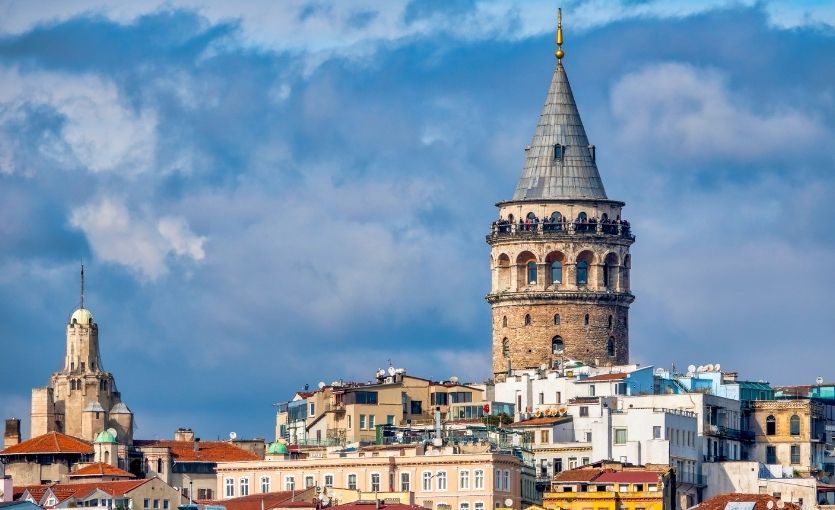
Even 24 hours in Istanbul is enough to understand why this city holds such a grip on everyone who passes through it. The sequence that works: arrive, cross from the airport to the European side, walk the Galata Bridge at dawn, eat breakfast in Karaköy, spend the morning at the Hagia Sophia before the crowds arrive, walk through the Grand Bazaar, take the Bosphorus ferry to Kadıköy on the Asian side for lunch, come back for the Blue Mosque and Topkapı in the late afternoon, eat dinner in Beyoğlu. That is one day. With two, add the Archaeological Museum — one of the great ancient collections in the world — and the neighborhood of Balat, where painted 19th-century houses and street art coexist in a way that makes the city feel genuinely lived-in. With three, take the ferry all the way up the Bosphorus to the Black Sea.
Taller, Faster, More Beautiful Than You Expected: The UAE
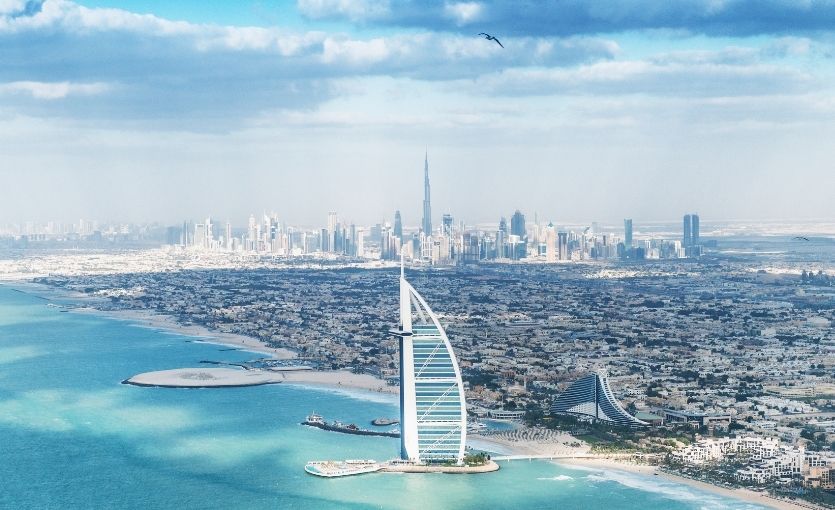
Abu Dhabi
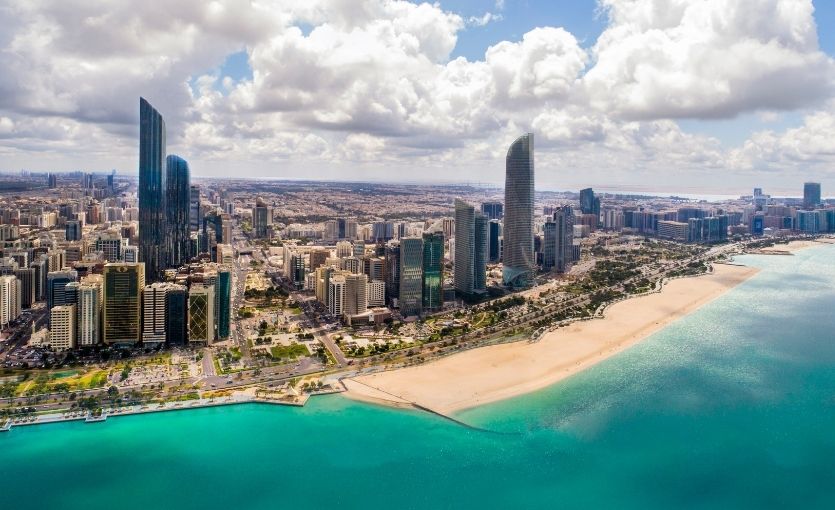
Abu Dhabi has spent the past decade reclaiming attention from its neighbor, and the result is a city that deserves two full days of your time rather than a day trip from Dubai. The Sheikh Zayed Grand Mosque — 82 domes, four minarets, white marble covering an area larger than St. Peter’s Square in Rome — is without qualification one of the most beautiful buildings in the world and should be visited both in the daytime and, if possible, at night when it is illuminated. The Louvre Abu Dhabi, on Saadiyat Island, is among the finest art museums opened in the 21st century: Jean Nouvel’s perforated dome creates a rain of light across the galleries, and the collection, organized by civilizations rather than by nation, presents human history in a way that the traditional European museum format cannot. Yas Island adds Ferrari World, Warner Bros. World and the Yas Marina Formula 1 circuit. Fly Abu Dhabi with Pegasus.
Dubai
Dubai produces a specific response in most visitors: awe, slightly exhausted by its own relentlessness, followed by the discovery that the parts of the city that are genuinely interesting are not the ones in the photographs. The Burj Khalifa is extraordinary. But what gets overlooked is the old city: the Deira Gold Souk, the Spice Souk, the abra water taxis that cross Dubai Creek for a dirham, the Al Fahidi Historical District where the wind tower houses of the original settlement are preserved. A desert safari in the Dubai Desert Conservation Reserve — dune bashing, camel riding and a Bedouin camp dinner under the stars — works regardless of how skeptical you are going in. Fly Dubai with Pegasus.
Sharjah
The emirate that serious travelers to the UAE have been quietly preferring for years. The Sharjah Art Museum is the best contemporary art institution in the Gulf. The Blue Souk is a genuinely functional covered market. Al Noor Island has a butterfly house and sculpture garden. Sharjah’s Old Town gives the UAE trip a historical layer that Dubai and Abu Dhabi’s relentless modernity doesn’t always provide. Fly Sharjah with Pegasus.
THE UAE
Three Emirates, One Flight, Zero Compromises
FROM ISTANBUL
~3h 30m
AUH · DXB · SHJ all direct from Istanbul
IDEAL STAY
3–5 days
Abu Dhabi + Dubai + a desert safari
| TOP 3 SIGHTS | TOP 3 EATS |
| Sheikh Zayed Mosque — 82 domes — one of the most beautiful buildings on earth | Shawarma Al Mallah — Lebanese street legend, Jumeirah, since 1979 |
| Burj Khalifa & Dubai Creek — The future and the past, 40 minutes apart | Emirati Balaleet — Sweet vermicelli with eggs — the Gulf breakfast |
| Louvre Abu Dhabi — Jean Nouvel’s rain-of-light dome over world art | Luqaimat — Honey-drizzled dumplings from any souk stall |
Pearl-Diving, Falcon Markets and the Art Museum of the Century: The Gulf
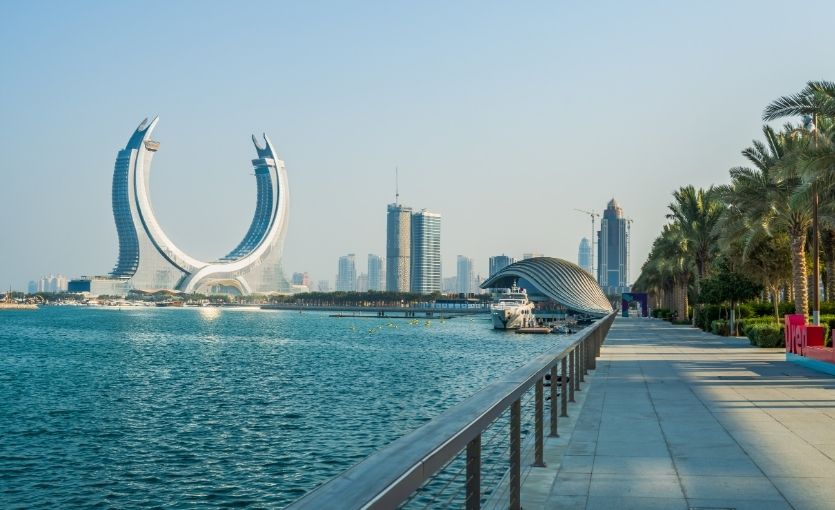
Doha, Qatar
Doha has developed into one of the most culturally ambitious cities in the Gulf over the past two decades, and the Museum of Islamic Art — I.M. Pei’s final major building, a geometric stone structure on its own island in the bay — is the centerpiece. The collection spans 1,400 years of Islamic art across three continents. Souq Waqif, the old market quarter, is genuinely alive — the falconry stalls, the spice traders, the rooftop restaurants where you can eat Qatari machbous and watch the evening unfold. Fly Doha with Pegasus.
Bahrain
The Gulf destination most travelers underestimate and most regulars quietly love. The Bahrain Fort (Qal’at al-Bahrain), a UNESCO World Heritage Site on the northern coast, has been inhabited for 4,000 years. The Tree of Life — a 400-year-old mesquite tree growing in the middle of the desert with no obvious water source — is one of those genuinely mysterious natural phenomena that photographs cannot fully explain. Fly Bahrain with Pegasus.
Kuwait
Kuwait City rewards curiosity most generously. The Grand Mosque can hold 5,000 worshippers inside and another 7,000 in the courtyard. The Kuwait Towers have a viewing sphere 123 meters above the Gulf. Souk Al-Mubarakiya, the old market, opens before dawn with a chaotic, fragrant energy that gives you the city in its most unreconstructed form. Fly Kuwait with Pegasus.
THE GULF
Doha, Bahrain and Kuwait — Depth Beyond the Skyline
FROM ISTANBUL
~2h 30m–3h
Doha 3h · Bahrain 3h · Kuwait 2h 30m
IDEAL STAY
2–3 days
per city — Doha and Bahrain pair naturally
| TOP 3 SIGHTS | TOP 3 EATS |
| Museum of Islamic Art, Doha — I.M. Pei’s final building on its own island | Machbous — Gulf spiced rice with meat or fish — national dish |
| Bahrain Fort — 4,000 years of history — UNESCO World Heritage | Harees — Slow-cooked wheat and meat — the Ramadan staple |
| Souq Waqif, Doha — Falconry stalls, spices and rooftop restaurants | Karak Chai — Condensed milk spiced tea — served everywhere |
From the Red Sea to the Desert Throne: Saudi Arabia
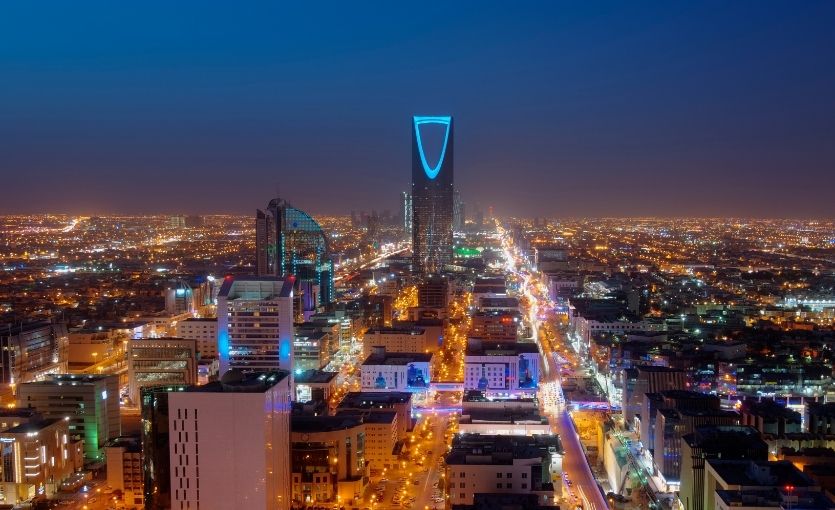
Jeddah
Jeddah’s historic city, Al-Balad, is a UNESCO World Heritage Site — a dense grid of coral-brick towers with overhanging carved wooden balconies (Rawasheen) that has been the commercial center of this Red Sea port since the 7th century. Walking through Al-Balad in the late afternoon, when the light turns the coral buildings gold, is one of the best urban experiences in the Middle East. The Red Sea extending from Jeddah’s coast is one of the world’s premier diving destinations. Fly Jeddah with Pegasus.
Riyadh
Riyadh is changing faster than almost any major city in the world, and the visitor who came five years ago and the visitor who comes today are effectively visiting different cities. The Vision 2030 project has opened concert venues, cinemas, mixed-gender public spaces, restaurants and cultural institutions at a pace that has outrun most travel writing about the city. The Diriyah UNESCO site — the original mud-brick home of the Al Saud dynasty — is the most historically significant site in Saudi Arabia. AlUla, the extraordinary rock landscape with its Nabataean tombs carved into sandstone formations, is now accessible by air from Riyadh. Fly Riyadh with Pegasus.
SAUDI ARABIA
Jeddah’s Red Sea Coast and Riyadh’s Rising Ambition
FROM ISTANBUL
~3h–3h 30m
Jeddah 3h · Riyadh 3h 30m from Istanbul
IDEAL STAY
3–4 days
2 Jeddah + 2 Riyadh, or add AlUla overnight
| TOP 3 SIGHTS | TOP 3 EATS |
| Al-Balad, Jeddah — UNESCO coral-brick old city from the 7th century | Kabsa — Slow-cooked spiced rice and lamb — the national dish |
| Diriyah, Riyadh — Mud-brick birthplace of the Saudi state — UNESCO | Jeddah Shawarma — Heavier and spicier than Lebanese — best at 2am |
| AlUla — Nabataean rock tombs — most dramatic site in Arabia | Dates and Qahwa — Dark cardamom coffee and fresh dates — everywhere |
Where Dinner is a Philosophy and History is Literally Underfoot: The Levant
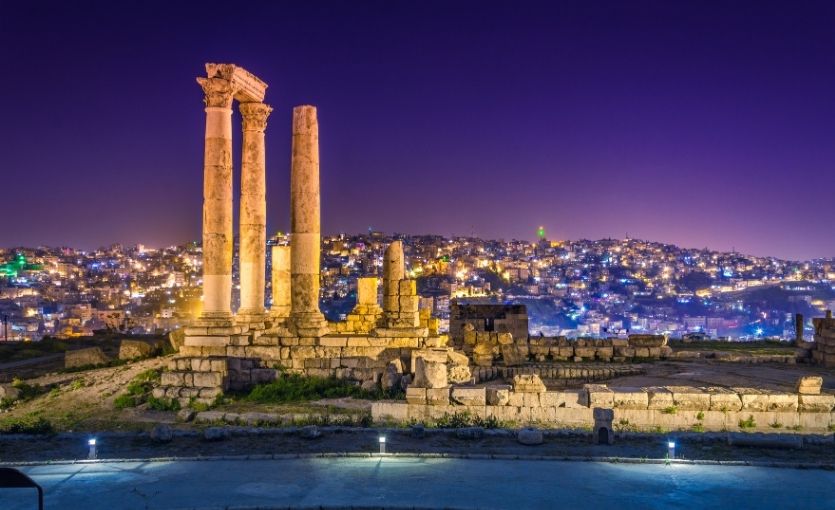
Amman, Jordan
Amman is almost always described as a stopover city on the way to Petra, and this is accurate and also a significant undersell. The city itself — white limestone hillsides, a Roman theatre embedded in the downtown, the Citadel with its Umayyad palace — is worth two days before you leave for the south. But Petra is the reason, and Petra is one of those places that lives up to its mythology. The Siq — the kilometer-long canyon that delivers you to the Treasury — is the finest approach to any ancient monument on earth. Wadi Rum, the red desert two hours south, should not be missed. Fly Amman with Pegasus.
Beirut, Lebanon
Beirut has been, in the estimation of serious travelers, one of the most compelling cities in the Middle East for as long as anyone has been keeping count — and remains so. The food culture is extraordinary: the mezze tradition, the Lebanese breakfast, the pastry shops, all rooted in an agricultural and culinary history that predates most of the restaurants that have made Beirut famous. The Jeita Grotto, 20 kilometers north of the city, is a cave system containing the world’s longest recorded stalactite and a subterranean lake navigable by boat. Baalbek, in the Bekaa Valley, has the largest Roman temple complex ever built. Fly Beirut with Pegasus.
THE LEVANT
Beirut and Amman — History, Food and Frankly Everything
FROM ISTANBUL
~2h–2h 30m
Beirut 2h · Amman 2h 30m from Istanbul
IDEAL STAY
3–4 days
per city — or combine both in a week
| TOP 3 SIGHTS | TOP 3 EATS |
| Petra, Jordan — The Siq and the Treasury — still breathtaking | Lebanese Mezze — 30 plates, fresh bread, mint — the benchmark |
| Baalbek, Lebanon — Largest Roman temple complex ever built | Mansaf, Jordan — Lamb in yoghurt sauce on flatbread — the national feast |
| Jeita Grotto, Lebanon — World’s longest stalactite in an underground lake | Manoushe — Za’atar flatbread from a street oven — Beirut breakfast |
The Gulf’s Best-Kept Secret Has a Mosque, a Souk and a Cave: Oman
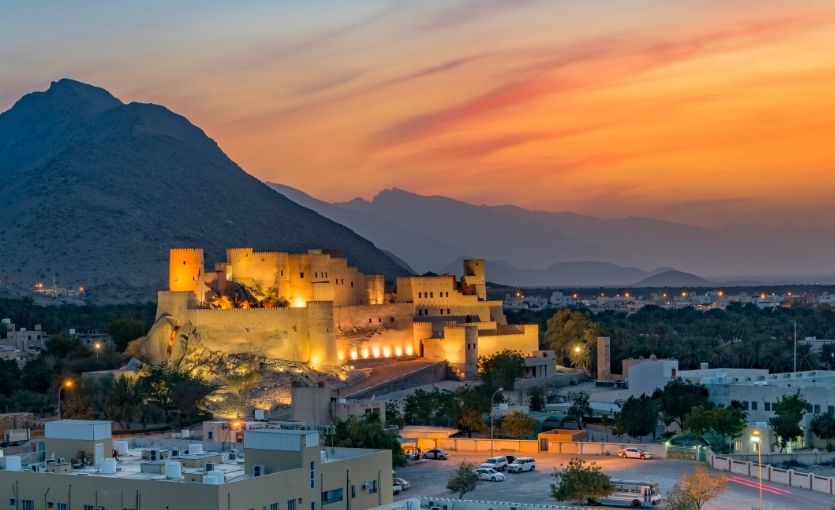
Muscat is the Middle East destination that most reliably produces the reaction: why did nobody tell me about this? The Omani capital is clean, calm, unhurried and extraordinarily beautiful — the city sits in a bowl of bare mountains that turn orange and purple at dusk, and the Sultan Qaboos Grand Mosque (open to non-Muslims from Saturday to Thursday, 8am to 11am) is a building of such considered proportions and detail that it occupies a different category from every other mosque in the Gulf. The old souq at Muttrah, with its silver vendors, Omani frankincense and dried lime, is the best souk in the Gulf for actually buying things rather than photographing them. Nizwa, two hours inland, has a Fort and a Friday animal market that Oman has not turned into a tourist performance. Wadi Shab, on the coast southeast of Muscat, involves a boat crossing and a swim through a canyon to reach a waterfall in a cave. Fly Muscat with Pegasus.
OMAN
Muscat: The Gulf Destination Nobody Told You About
FROM ISTANBUL
~4h
Direct from Istanbul to Muscat (MCT)
IDEAL STAY
4–5 days
Muscat + Nizwa + Wadi Shab + desert
| TOP 3 SIGHTS | TOP 3 EATS |
| Sultan Qaboos Grand Mosque — Open to all — most considered mosque in the Gulf | Shuwa — Spiced lamb slow-cooked underground — a full event |
| Muttrah Souq — Best souk to actually buy things, not just photograph | Omani Halwa — Rose-water cardamom sweet with every coffee |
| Wadi Shab — Swim through a canyon to a waterfall inside a cave | Mashuai — Grilled kingfish on lemon rice — the Muttrah waterfront |
A Few Things Worth Knowing Before You Go
Seasons
Gulf (Dubai, Abu Dhabi, Doha, Kuwait, Bahrain, Riyadh): November to March. Summer temperatures reach 45°C+. Winter is warm and dry, averaging 20–28°C.
Jordan and Lebanon: April–May and September–October are ideal. The sites are accessible year-round.
Oman: October to April. Muscat summers are humid and very hot.
Jeddah: November to February for comfortable temperatures. The Red Sea diving is excellent year-round.
BolBol: Earn Points on Every Middle East Flight
Every Pegasus Middle East flight booked directly through flypgs.com earns BolBol loyalty points. The longer Middle East routes accumulate points faster than shorter European hops. First-flight bonus is 1,000 BolPoints; from 25,000 BolPoints you can redeem an international ticket. Book direct to earn.
Use how to find cheap flights to secure fares early. Check the baggage allowance page before packing. Consider the upgrade package for flexibility across a multi-destination journey. Pre-order your in-flight meal via the Pegasus Café up to 24 hours before departure. Istanbul first. Then the Gulf. Then home.