NOTE: This guide was last updated in January 2025. Please check the authenticity and validity of the information on this website before proceeding with your visa application. For the most up-to-date information, please use official sources from the relevant country.
Kosova Visa Information and Entry Requirements
Kosovo is a landlocked gem at the heart of the Balkans, shining with its historic heritage and lush nature. Offering an unforgettable and unique experience, Kosovo is a must-visit place for all travellers. In this guide, you can learn all about the visa process of this Balkan wonderland.
Do I Need a Visa to Travel to Kosovo?
Kosovo has many bilateral agreements with various countries around the world, allowing their citizens to travel to the country without a visa. Therefore, whether you need a visa to travel to Kosovo depends on your nationality and the passport you hold.
You can find a complete list of countries whose citizens can benefit from visa-free travel to Kosovo on the page of Embassies of Kosova..
Did you book a flight to Kosovo?
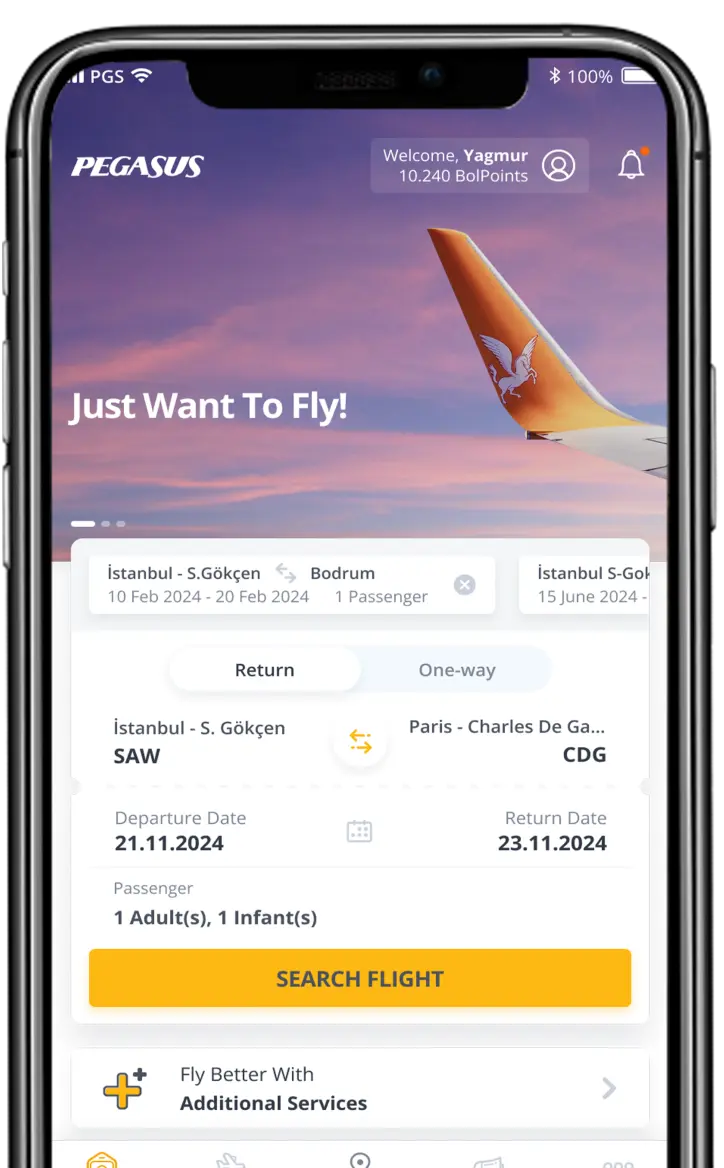
If you’re planning to travel to Kosovo soon, secure your flight ticket with Pegasus Airlines for affordable rates and comfy flight experience. For a helpful overview of the country’s culture, history, and popular attractions you may alson interested in these articles
Kosova Travel Guide
Pristina Travel Guide
Kosovo Visa Types
Kosovo has two main visa types: Type C Visa and Type D Visa. These visas are issued depending on the duration and purpose of your visit to Kosovo. You can find below more information about both visa types.
C Type (Short-Term) Visas
Kosovo C Type, short-term, visa is issued to visitors who will stay in Kosovo for a maximum of 90 days within 180 days. Holders of this visa cannot carry out gainful activities or overstay in Kosovo.
The most common purposes of visit for C Type Visa are:
- Tourism: A Kosovo tourist visa is issued for tourists who are planning to visit Kosovo for sightseeing purposes and is the most issued type of visa for the country. It is possible to obtain a Kosovo tourist visa through its consulates, outsourced visa companies, or authorized travel agencies both for individuals and groups.
- Business Trips: This visa is issued to individuals or groups who are going to attend meetings, trainings, or business-related fairs without labour or gainful employment. Obtaining a business or fair participation visa to Kosovo requires more documents than other type C visas, including but not limited to proof of trip financing, employee certificates, and a confirmation letter from the inviting company or institution.
- Visiting Friends and Family: A Kosovo family, relative, or friend visit visa is issued for individuals who wish to visit a family member or a friend residing in Kosovo. In order to get the visa, it is required for applicants to include an invitation letter from the person whom you are visiting in addition to other necessary documents.
- Attending Cultural Events, Sports Activities, or Conferences: A Kosovo cultural, sports, or conference visit visa is granted for individuals or groups that are going to attend a cultural event or activity held in Kosovo. An invitation from the receiving association and confirmation documents from the sending association must be included in the application.
- Short-Term Education or Internship: A Kosovo short-term education or internship visa is issued for students who intended to study in Kosovo for university projects or special educational purposes for less than three months. The applicant has to include documents of sufficient means of subsistence, proof of adequate accommodation as well as an admission letter from the receiving institution.
D Type (Long-Term) Visa
Kosovo D Type, long-term, visa is issued to visitors who are planning to stay in Kosovo for longer than 90 days.
This visa is typically issued to students studying at higher education institutions; foreign-national employees of Kosovo-based businesses; academics, researchers, scientists working in a certified Kosovo research centre; relatives of Kosovar citizens; and patients who wish to receive long-term medical care in Kosovo.
General Requirements to Apply for Kosovo Visa
You are required to present the following documents if your nationality is not eligible for a visa-free entry to Kosovo:
- Filled out and signed application form*,
- Valid travel document (passport),
- A recent passport-size photo,
- Proof of the purpose of visiting Kosovo,
- Proof of accommodation or possession of sufficient means for accommodation in Kosovo,
- Proof of sufficient financial means to cover the costs of stay in Kosovo and to return to the country of origin,
- Valid health insurance covering the entire period of stay in Kosovo,
- Proof of application fee payment.
* Type C Application Form * Type D Application Form
What is Visa Sponsorship for Kosovo?
Visa sponsorship is required in Kosovo if the applicant cannot cover their expenses for educational or touristic purposes by own in the duration of the stay. A sponsor could be a parent, sibling, other relatives, or a friend.
Kosovo Visa Requirements
Visa requirements for Kosovo depend largely on your nationality. Below, you can find special cases for citizens of various countries and unions.
Kosovo Visa Requirements for Schengen and EU Countries
Citizens of the EU and Schengen countries can travel to Kosovo without a visa.
Kosovo Visa Requirements for the USA, the UK, and Canada
Citizens of the United States, the United Kingdom, and Canada can visit Kosovo without a visa up to 90 days.
Kosovo Visa Requirements for Serbian Citizens
Citizens of Serbia can travel to Kosovo and stay in the country for a maximum of 90 days without a visa.
Kosovo Visa Fees
Kosovo visa fees exclusively include the visa and should be paid to bank account of the relevant consulate. Keep in mind that there might be additional payments expected from the applicant such as consular fees, service fees of the outsourced visa companies, or application form fees.
| Visa Type |
Visa Fee |
| Short-Stay Visa (Type C) |
EUR 40 |
| Long-Stay Visa (Type D) |
EUR 80 |
| Children under 6 |
Free |
| Teachers Accompanying Children for Study Purposes |
Free |
You can find the detailed informations and latest update about visa fee by visiting the official page of Embassies of Kosova.




 Enrich Your Flight
 Airport Services
 Accommodation Services
 Gift Card

 Opportunities
 Get Inspired
 Popular Destinations
 Flight Information
 Airport Information
 Support Center
 BOLBOL





 -
-
 0/
15
0/
15