Member of Pegasus BolBol since {0}.
{0} BolPoints will expire on {1}.
Earn BolPoints by flying and spend them as you wish!
Member of Pegasus BolBol since {0}.
{0} BolPoints will expire on {1}.
Travel Glossary

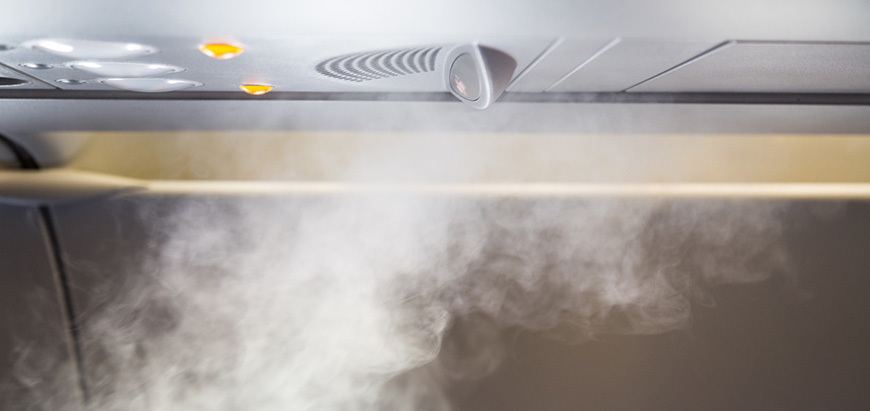
Cabin humidity is the humidity ratio in the aircraft cabin. For high-altitude flights, cabin humidity can drop by up to 1%. Considering that the humidity rate in living spaces is between 30% and 60%, it is clear how low the aircraft cabin humidity is. Low humidity can affect the human body to a certain extent, especially on long-haul flights. However, it is possible to get rid of the effects of low humidity in several effective ways.
Due to circulating air in aircraft and pressure changes at high altitudes, the humidity in the aircraft cabin may decline to low percentages. This is especially observed more commonly in less crowded aircraft. For flights with a large number of passengers, cabin humidity can increase by up to 15%. In such cases, cabin humidity is sufficient for human skin; but in cases where it is very low, eye, mouth and nose disorders may occur.
Cabin humidity is one of the issues that has long been addressed in the aviation industry. Cabin humidity is kept at ideal levels with improved air humidifiers added to aircraft in recent years.
Plenty of fluids can be consumed to prevent low humidity on an aircraft. Skin moisturizing lotions, eye drops, and nasal sprays can also be used depending on the levels of discomfort.
On crowded aircraft, the humidity level can be as high as 20%, which is ideal. For less crowded aircraft flying at very high altitudes, in-cabin humidity can drop to 1% if there is no required equipment. In case of low humidity, it is recommended to drink water before, during and after the flight. If your lips are cracking or your hands are drying out that means the in-flight cabin humidity is low.
The air on planes is much cleaner compared to most cities today. Air filters running onboard keeps the air inside clean by recirculation throughout the journey. Air humidifiers on the aircraft optimize cabin humidity by humidifying the refreshed air. If you think that the air inside the aircraft is insufficient, you can use the ventilation valves above your seats to get more air to your side.